
Credit: Carson Riutta / Pexels
How windy trail breaks affect recovery
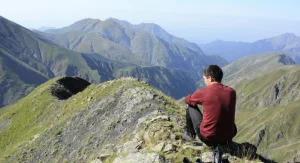
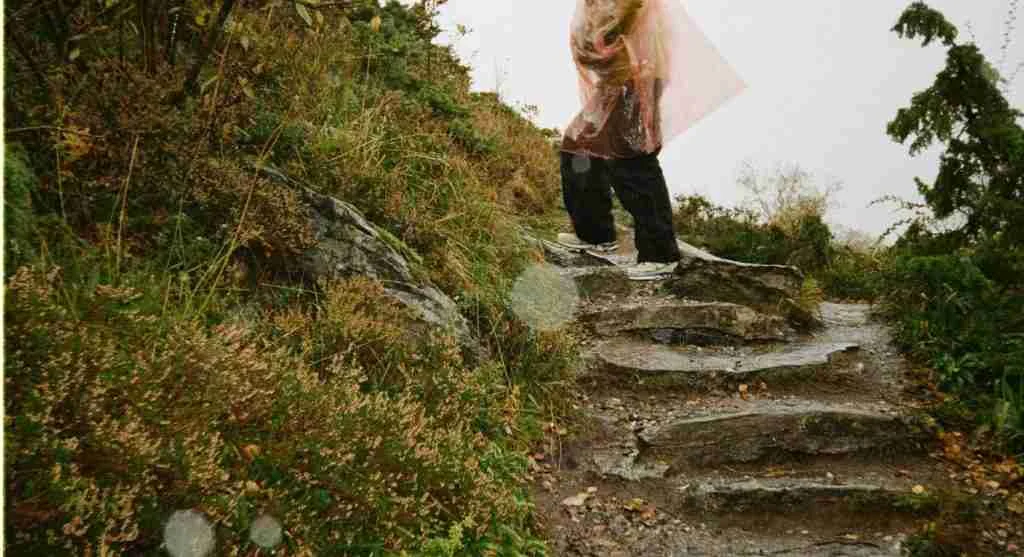
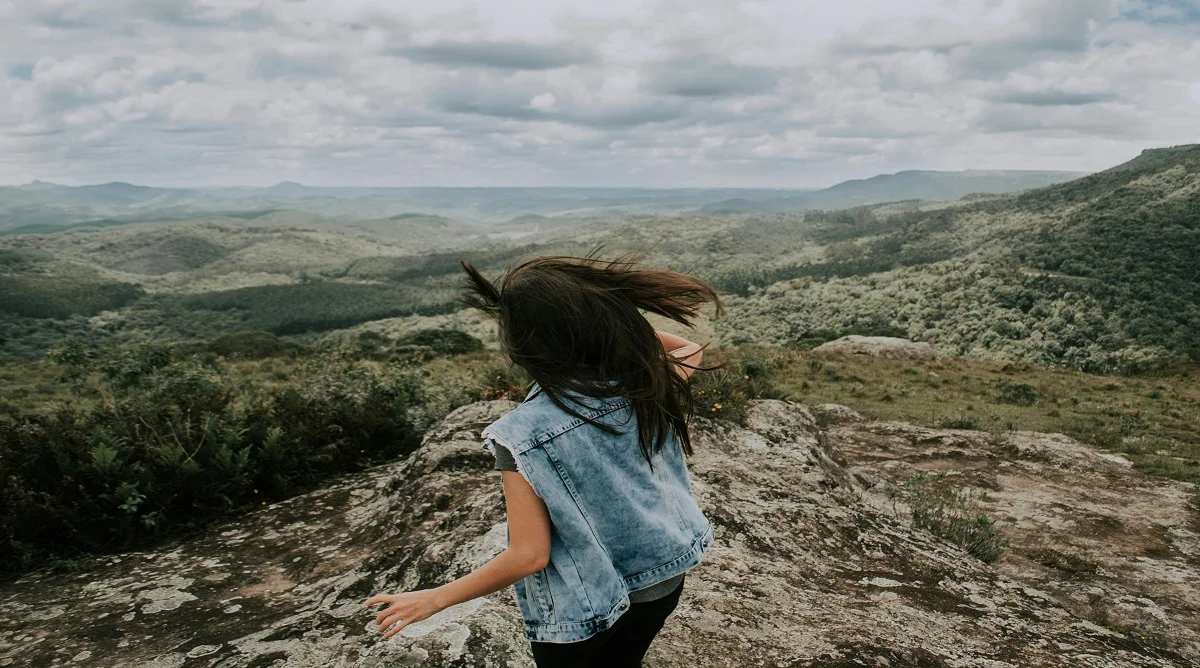
Many hikers pause after a climb to enjoy the view, drink water, or catch their breath. That’s usually a good choice, but windy trail breaks can affect recovery in ways people don’t expect. A short stop may help breathing settle while also making the body feel noticeably colder if the break happens in exposed wind.
Outdoor instructors often suggest paying attention to where you stop, not just when you stop. A slightly sheltered spot nearby can offer the same rest with less discomfort, especially if your body is cooling down quickly after the climb.
Why trail layering habits matter most after uphill effort
Layering tends to matter most at the exact moment hikers are least inclined to deal with it. After a climb, people often want to keep moving or enjoy the view rather than pause to add a layer. Yet this is often when a light outer layer is most helpful.
Outdoor clothing educators often point out that comfort improves when layers are easy to access and quick to put on. The layer doesn’t need to stay on all day it just needs to be available when exposure increases and body heat starts dropping faster than expected.
How pace and timing influence post-climb chill
A faster uphill pace usually creates more heat and more sweat, which can make the cooling effect afterward feel stronger. Hikers who push hard and then stop suddenly often feel a sharper contrast than those who reach the top at a steadier pace. Cool wind after a climb tends to feel less intense when the effort on the way up stays more controlled and the body isn’t overheated at the top.
Fitness specialists often note that steady effort leads to steadier comfort. It doesn’t remove the effect of wind, but it can reduce the sudden shift from hot and damp to cool and exposed.
Why some hikers underestimate this condition on mild days
Mild weather can make it seem like extra layers won’t be necessary. But the combination of climbing, sweat, exposure, and even a light breeze can still lead to discomfort. Cool wind after a climb is often underestimated because it feels minor compared to more obvious concerns like heat, rain, or storms.
Outdoor safety educators often remind hikers that discomfort isn’t always caused by extreme conditions. It often comes from ordinary factors lining up at the wrong time. That’s why small preparation habits can matter more than heavy gear.
How hikers can prepare for cool wind after a climb more effectively
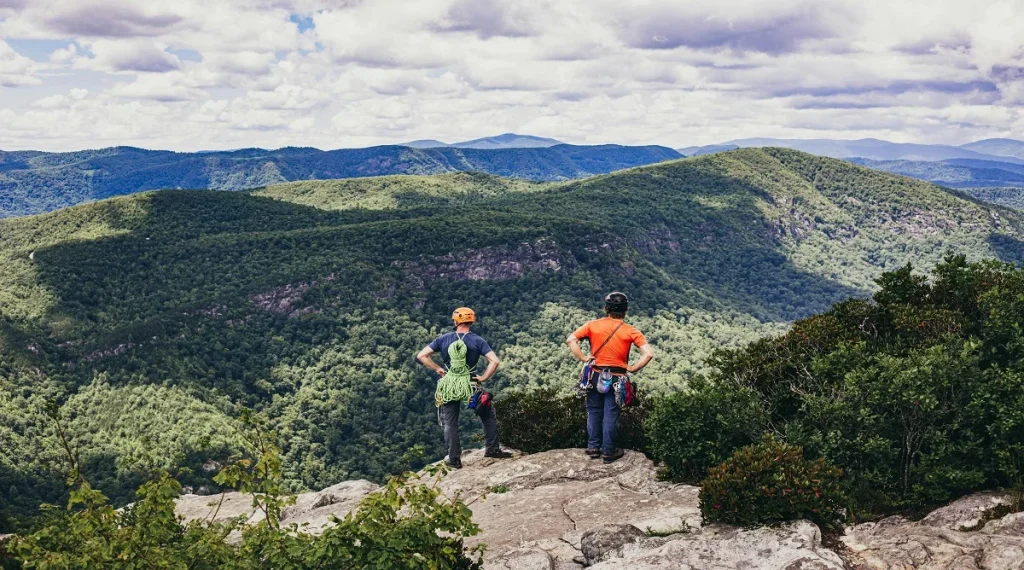
Preparation often starts with recognizing where the trail becomes exposed. If a climb ends at a ridge, overlook, or open saddle, it helps to expect a drop in comfort before arriving. That awareness makes it easier to manage pace, access layers, and plan where to stop.
Outdoor coaches often recommend simple habits: keep a light layer within easy reach, choose slightly sheltered spots for breaks when possible, and avoid staying still in damp clothing when there’s a strong breeze. These small adjustments can make windy trail breaks far more comfortable without changing the hike itself.
Credit: Alex Moliski / Pexels
Frequently Asked Questions
Q: Why does wind feel colder after a climb than before it?
A: The body is usually warm and slightly damp after uphill effort, so moving air cools it more quickly once the hiker slows down or stops. The contrast makes the wind feel stronger.
Q: Is this only a problem on cold days?
A: No. Cool wind after a climb can matter on mild days too, especially if the route becomes exposed and the body has built up heat during the ascent.
Q: What helps most during windy trail breaks?
A: A light layer, a slightly sheltered stopping point, and avoiding long stationary breaks while damp often help the most. Small changes in where and how the break happens can improve comfort.
Q: Can pace affect how cold hikers feel after climbing?
A: Yes. A harder uphill pace may create more heat and more sweat, which can make the cooling effect feel sharper once the body reaches windier exposed ground.
Key Takeaway
[INTERNAL LINKING SUGGESTIONS]
- How to Pack a Light Extra Layer Without Making a Day Hike Feel Heavier
- Why Wind Changes a Hike More Than Many Trail Plans Expect
- How Morning Temperature Changes Can Affect a Hike More Than Hikers Expect