
Simple solo hiking routines often make a bigger difference than people expect. Many hikers assume safety comes mainly from confidence, but confidence without structure can still lead to rushed decisions or missed details. Repeated habits tend to create better outcomes because they reduce guesswork before and during the hike.
Outdoor educators often point out that strong solo hikers are not necessarily the boldest—they’re the most consistent. Search and rescue teams frequently note that problems on solo hikes often start with small planning gaps rather than major mistakes. That’s why simple routines matter so much.
Why Simple Solo Hiking Routines Reduce Decision Fatigue
When you follow the same basic sequence each time, you remove a lot of last-minute thinking. Checking the weather, confirming the route, reviewing water, and sharing your plan becomes automatic instead of something you might forget.
Outdoor psychology specialists often explain that this kind of structure frees up attention. If the basics are already handled, you can focus more clearly on the trail itself—your pace, footing, weather shifts, and surroundings.
How Solo Hiking Safety Improves With Repeated Pre-Hike Habits
Safety improves when the same checks happen every time, even on familiar routes. Looking at the forecast again, confirming the trail details, checking supplies, and letting someone know your plan are simple steps that prevent common problems.
Outdoor safety educators often note that familiarity can lead to overconfidence. Routines help counter that by treating each hike as a fresh situation rather than assuming everything will go smoothly.
Why Simple Routines Help With Early Pacing
Solo hikers often start too fast because there’s no group pace to regulate them. A routine that includes a slower first stretch, a quick breathing check, and an early planned break helps the body settle into a sustainable rhythm.
Fitness specialists often point out that how you start a hike shapes how it feels later. A calm, controlled beginning usually leads to better energy and fewer problems as the trail becomes more demanding.
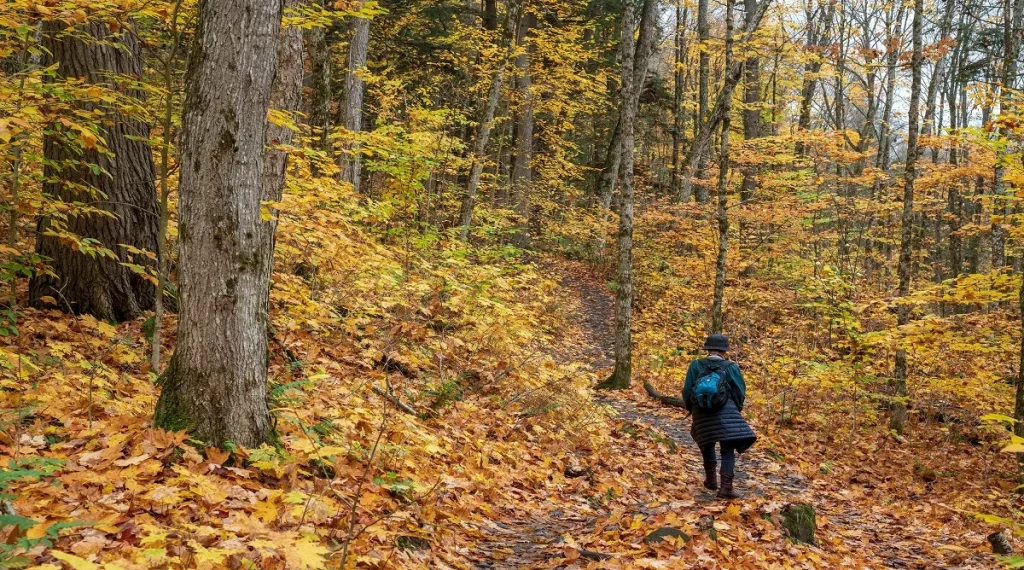
Credit: Hyukman Kwon / Pexels
How routines support better solo trail planning
Solo trail planning often becomes easier when hikers follow the same set of review steps before each outing. This might include checking whether the route still matches the current weather, energy level, available daylight, and the actual time on hand. Simple routines help turn planning into a consistent process rather than a last-minute judgment call.
Outdoor guides often suggest relying on a small group of practical questions instead of enthusiasm alone. A route that seemed like a great idea the night before may not suit the day once conditions change. Having a routine makes it easier to catch those mismatches early.
Why routines matter when weather shifts during a hike
Changing weather is easier to handle when there’s already a pattern for reassessment. A solo routine might involve noticing wind and cloud changes in exposed areas, checking water levels halfway through, or reviewing turnaround time if progress slows. These habits support solo hiking safety by encouraging early adjustments instead of delayed reactions.
Outdoor instructors often point out that people respond more clearly to changing conditions when they already know what to look for. In solo hiking, that kind of structure reduces hesitation and leads to better decisions.
How simple solo hiking routines improve route awareness
Navigation mistakes often happen when attention drifts, especially on familiar or easy-looking trails. Simple routines—like checking the map at major junctions, confirming markers after turns, and previewing the next decision point—help hikers stay on track without interrupting the flow of the hike.
Navigation educators often explain that solo hikers benefit more from staying ahead of confusion than reacting to it. A quick check at the right moment usually prevents more trouble than a longer check after things start to feel uncertain.
Why confidence works better when it is supported by structure
Confidence is helpful on the trail, but it’s most effective when backed by consistent habits. A confident hiker without structure can still forget essentials, misjudge time, or push too far in changing conditions. Simple routines make confidence more reliable by tying it to repeated actions that support clear thinking.
Outdoor educators often note that experienced solo hikers tend to appear calm rather than dramatic. That calm usually comes from routine. When a hiker knows what’s already been checked, decisions feel more steady and less reactive.
How hikers can build simple solo hiking routines over time
Most routines develop naturally as hikers reflect on what could have gone better after each trip. Forgetting a snack, starting too late, missing a map check, or leaving behind an extra layer can all shape a stronger routine next time. These routines don’t need to be complex—they work best when they’re simple enough to repeat every time.
Outdoor coaches often recommend starting with a few core habits, such as reviewing the route, checking the weather, confirming water, sharing a plan, and setting an early pace. Once these become familiar, solo hiking tends to feel more organized and less stressful overall.

Credit: Brent Olson / Pexels
Frequently Asked Questions
Q: What are simple solo hiking routines?
A: They are small repeated habits such as checking weather, confirming the route, reviewing water, sharing the plan, and starting at a calm pace. These routines help make solo hiking safety more consistent.
Q: Why do routines matter more than confidence alone?
A: Confidence can help, but routines reduce missed details and rushed choices. Simple solo hiking routines often support better judgment because they create structure before problems begin.
Q: Can routines help on familiar trails too?
A: Yes. Familiarity can sometimes reduce attention, so repeated habits often help hikers stay realistic about weather, timing, and current conditions even on known routes.
Q: What is a good first solo hiking routine to build?
A: Many hikers begin with a short pre-hike sequence: weather check, route confirmation, water review, shared return plan, and a deliberate easy start. That basic structure often improves solo trail planning right away.