

It’s easy to get off track when a straightforward trail splits into two or three possible ways to go. Hikers who are sure of themselves on the easy parts of a trail frequently become confused at intersections. At these points, the trail’s markings, colours or form aren’t what they’d anticipated. This sort of thing happens a lot, even on trails that aren’t terribly difficult or are used by a lot of people.
When it comes to getting lost, people who teach outdoor navigation say most errors aren’t from a lack of bravery or willingness to try. Instead, people stop paying careful attention just at the point of needing to know where they are going. And park rangers say hikers generally avoid making mistakes by doing small things over and over, rather than relying on complicated ways to find their position.
Why staying on the right trail often becomes hardest at simple-looking junctions
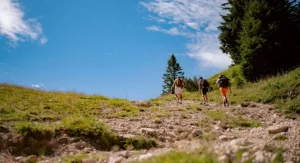
People usually think you’ll only get seriously lost on trails that are way out in the wilderness or don’t have good signs. But surprisingly, some of the times you get most turned around are at perfectly normal places where trails split, and they initially look like places you’ve been before. Perhaps one trail is broader, another looks as though a lot of people use it, and a third simply feels as if it’s where the trail goes, even if it isn’t.
Navigation teachers commonly point out that your eyes are inclined to go with the path that’s easiest to follow. So you’ll likely walk down the route that’s easiest on the eye, not necessarily the one you should be on. Therefore, to be sure you’re on the correct trail, you often need to stop and really pay attention for a moment before letting your feet start walking again by themselves.
How hikers can use signs and names to stay on the right trail
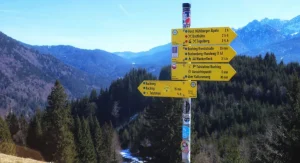
It’s much easier to understand signs on a hike if you have an idea of what to look for as you approach a split in the trail. Trail names, route numbers, arrows pointing the way, colors used for marking… they are all helpful, but they are best at doing their job if you’ve linked them to the route you looked at before you began. A sign is simpler to use if you are already anticipating a specific trail name or which direction to go.
Park rangers frequently advise reading the whole sign, not just the arrow. At trail junctions, you’ll often find directions to multiple places, and the closest named location might not be for the trail you’re on. A fast, thorough look at the sign will often save you from having to go back the way you came.
Why color markers help with trail route awareness
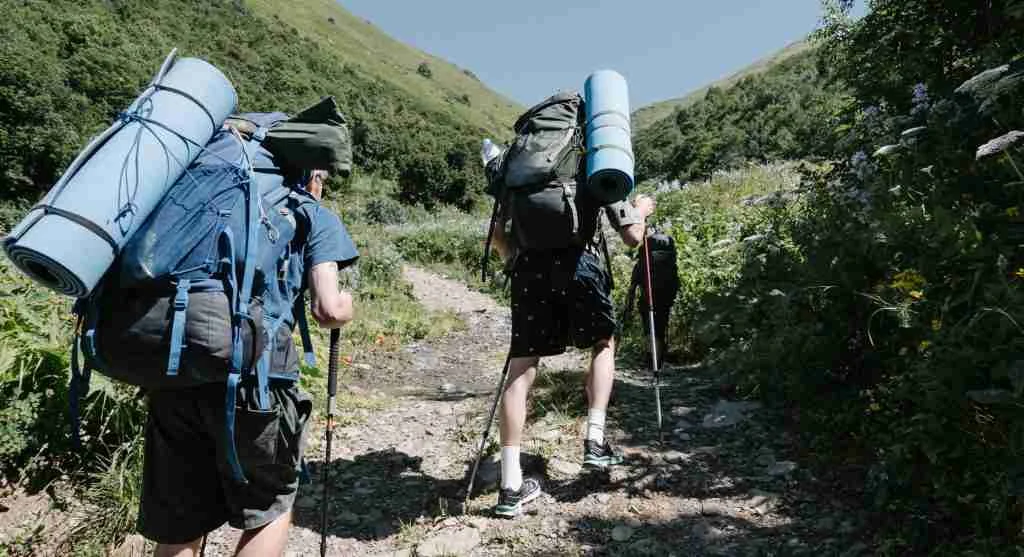
Many trail systems use colored blazes, painted markers, or route symbols to guide direction between larger signs. These small markers often matter more than hikers realize because they confirm the chosen route after a turn has already been made. Staying on the right trail becomes easier when hikers look for confirmation within a short distance after every junction.
Navigation specialists often explain that hikers should not assume one visible marker is enough for the next hour of walking. Trail route awareness improves when hikers notice the pattern of markers and expect them to appear again after bends, crossings, or gradual climbs.

Credit: Lum3n / Pexels
How to use trail maps without stopping for too long
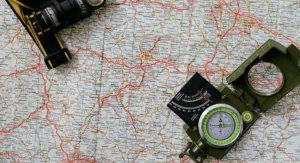
Some hikers avoid maps because they assume map reading slows the hike too much. In reality, brief map checks often save more time than they cost. Staying on the right trail usually requires only simple map awareness, such as recognizing the next junction name, the general direction of travel, and whether the route is a loop or an out-and-back trail.
Outdoor educators often suggest checking the map at the trailhead, at major intersections, and anytime the route no longer matches what was expected. These checks do not need to be long. The main goal is to confirm whether the current path still fits the overall route plan.
Why pace affects hiking navigation tips more than many expect
When you’re walking quickly, you frequently don’t pay attention when you most need to. Hikers covering ground fast at a point where trails meet might overlook a sign, blindly go with another party, or simply keep going on the largest trail because of what they’re used to. The advice for finding your way on hikes often seems obvious, but a little less speed at places you have to decide what to do will fix lots of unnecessary errors in your route.
Coaches for long distance walking and climbing regularly say your speed should suit the path, and shouldn’t be something you do because of routine. You can keep a steady speed on the simple, straight parts of a trail. However, at places where trails split, where you have to cross something, or at unclear forks in the path, going slower will generally make you more correct, and it won’t significantly affect the overall length of your hike.
How hikers can recover after realizing they may be off route
Wrong turns do not always need a dramatic response. If a trail name disappears, markers stop appearing, or the route begins to feel different from the map, the first useful step is to pause and reassess calmly. Staying on the right trail sometimes means realizing early that the current path no longer fits the plan.
Navigation professionals often recommend thinking in reverse. Where was the last confirmed marker. What sign was seen at the last junction. Did the route change in direction or surface immediately after a fork. Returning to the last confirmed point is often safer and clearer than trying to guess the correct path farther ahead.
Why familiar routes can still cause trail junction mistakes
Some hikers lower their attention on familiar routes because they expect the trail to behave exactly as before. This can create mistakes when seasonal closures, maintenance work, weather effects, or small layout differences change how a junction looks. Familiarity helps, but it does not replace observation.
Park staff often note that repeated hikers still miss turns when they walk while distracted, talk through junctions, or assume the path ahead must be the same one they remember. Trail route awareness remains important even on local or frequently used trails.
How better trail habits make staying on the right trail easier over time
Navigation usually improves through repetition. Hikers who build a few simple habits often need less effort later because the process becomes automatic. Looking at the next junction in advance, reading the full sign, checking for a confirming marker, and noticing when the trail no longer matches expectations all strengthen route awareness with practice.
Outdoor instructors often explain that good navigation is less about perfection and more about early correction. Hikers do not need to avoid every small mistake. They need to notice route changes soon enough to respond clearly and without stress.
Frequently Asked Questions
Q: What is the best way to avoid wrong turns at trail junctions?
A: The most useful habit is usually slowing slightly, reading the full sign, and looking for the next confirming marker after the turn. Small checks often prevent larger mistakes later.
Q: Should hikers trust the widest path at a junction?
A: Not always. The widest or most worn path may not be the intended route. Staying on the right trail usually depends on signs, markers, and the planned trail name rather than appearance alone.
Q: How far should hikers go before rechecking the route after a turn?
A: Many hikers benefit from looking for a confirming marker or sign within a short distance after a junction. If nothing appears and the trail feels different than expected, a quick reassessment often helps.
Q: Are map checks necessary on well-marked trails?
A: Yes, especially at major intersections. Even well-marked trails can include several route options, and brief map awareness usually improves confidence and direction.
Key Takeaway
Staying on the right trail usually depends on small habits used at the right moment. At trail junctions, clear sign reading, color marker checks, map awareness, and a slightly slower pace often prevent wrong turns before they become larger problems. Strong trail route awareness does not require complicated navigation. It usually begins with calm attention and early correction.