
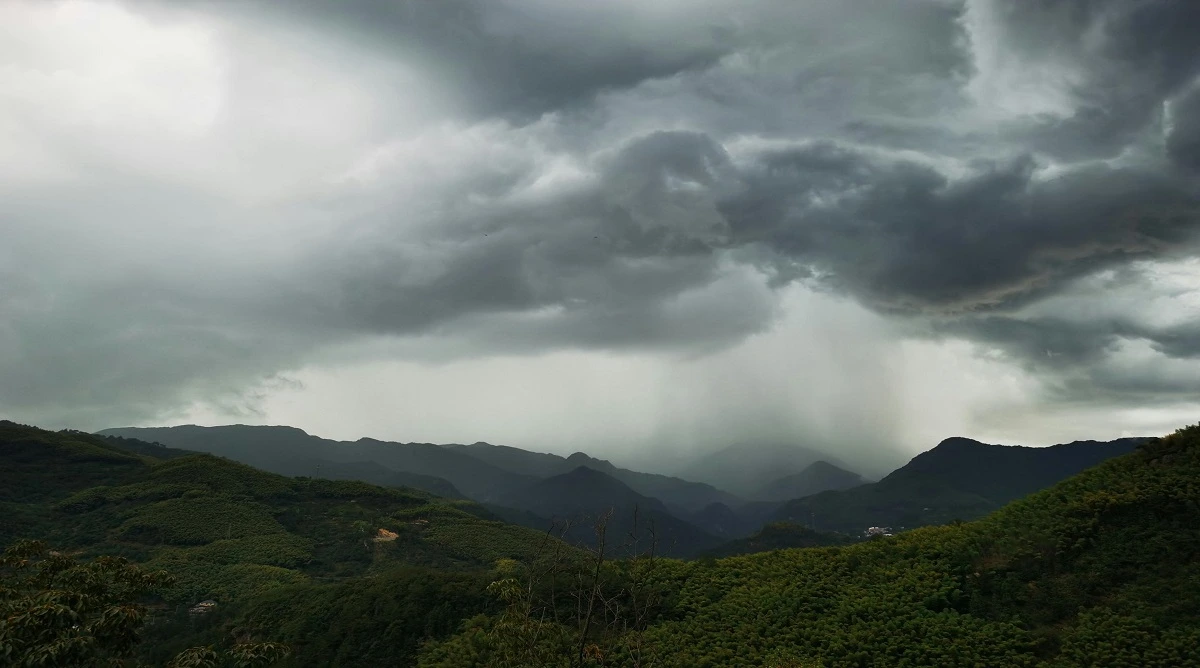
The weather on a hike, even one you know well, can turn around in a flash. You could begin under a sunny sky and unexpectedly find yourself facing wind, rain, or a sudden cooling down. And these shifts in the weather naturally change the experience of the trail and how securely you can go on.
People who are experts in being safe outside say it’s a lot better to deal with changing weather right away, before you start to get really uncomfortable. In fact, park rangers say a lot of problems on hikes happen because people don’t realize the weather is changing until it’s already changed.
Why weather changes during a hike should be noticed early
When you’re out hiking and the weather is changing, the very first thing to do is spot what’s happening soon as possible. Look for the wind to start blowing from a different direction, the clouds to get noticeably darker, or the temperature to go up or down. If you notice these things quickly, you’ll have time to get ready before the weather gets really bad.
Meteorologists will tell you that little changes are usually the first indication of a big change in the weather. So, by being aware of those first hints, you can make smarter choices about what to do.
How to adjust pace when conditions change
When the weather’s shifting, it’s almost certain to change how fast you can hike. A little bit of slowing down will help your balance and make you more aware of your surroundings – particularly if the path is slippery when wet or being blown around by the wind. You generally need to be much more careful with each step when conditions are changing.
Outdoor instructors frequently say it’s best to keep going at a consistent speed, instead of hurrying to get to the end of the hike.
Why route decisions matter in sudden weather on trail
As things change, deciding which way to go on your hike matters a lot more. You might need to carry on as you were, make the hike shorter, or go back the way you came. Plans for your hike will frequently need to be adjusted to cope with changing weather.
Experts in safety consistently point out that changing your plans sooner rather than later makes things safer and more pleasant.

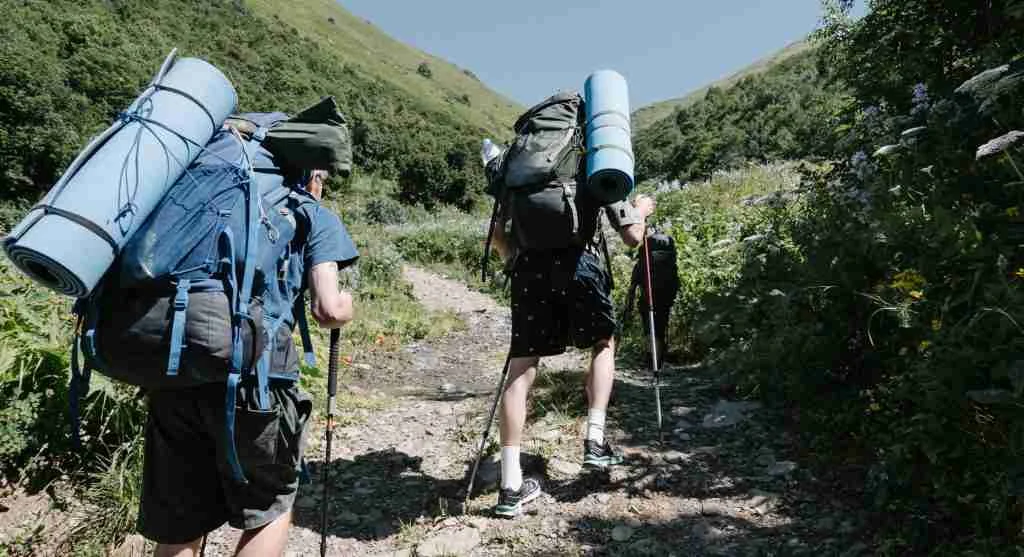
Credit: ArtHouse Studio / Pexels
How visibility affects trail awareness
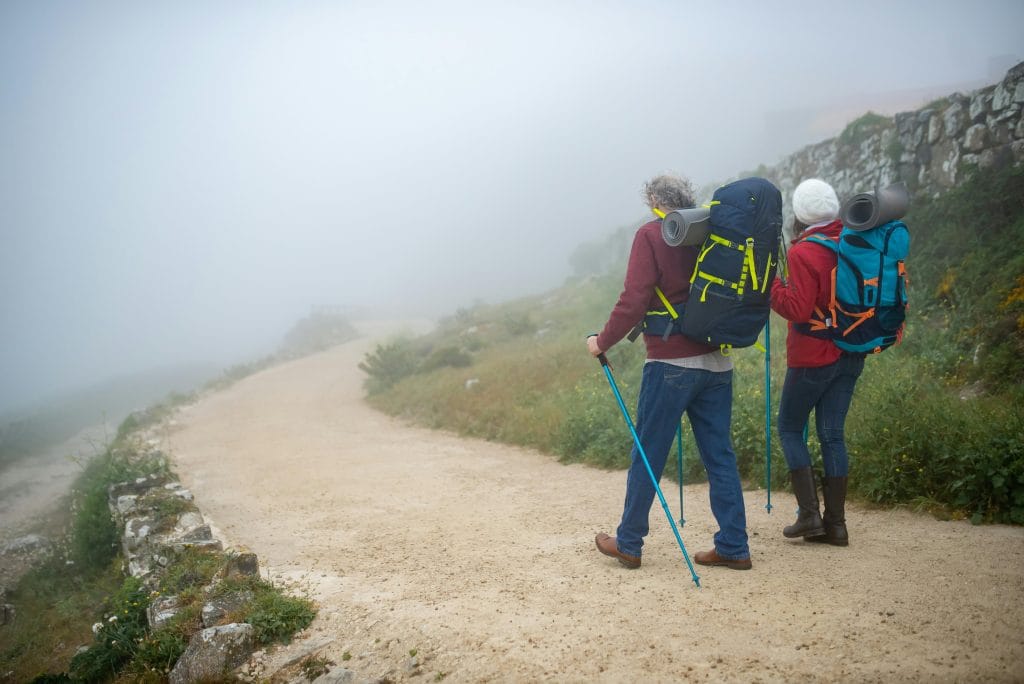
When it’s foggy, raining, or dim, you can’t see as well on a hiking trail. Because of this, both finding your way and making sure your feet are placed safely become harder. For safety in these conditions, it’s generally a good idea to slow down and pay very close attention to where you’re going.
People who are really good at finding their way around advise keeping landmarks you can see within sight, and not wandering off the trail for no good reason when you can’t see clearly.
Why staying dry and comfortable matters
Being out in the rain or wind will change how warm and comfortable you are. You can feel a lot better by doing easy things like putting on another layer of clothing, or making sure your stuff doesn’t get wet. In fact, it’s generally much more pleasant to hike when the weather is changing if you stay comfortable.
People who teach outdoors nearly always suggest getting ready for small changes in the weather, even if you are only going on a short hike.
How to manage footing on wet or slippery trails
When things are wet, you don’t grip as well and are much more likely to slip. Going slower, and thinking about where you put each foot, will help you stay on your feet. The ground will often feel very different as you’re walking on a path when the weather changes quickly.
People who teach safety say that taking little steps and moving smoothly will give you better balance in this sort of situation.
Why communication and planning still apply
When you’re hiking with a group, talking to each other is important so everyone knows what’s happening with the weather or trail. If you all say what you’re noticing and change your plans as a team, it will make the whole group safer. And even if you hike by yourself, telling someone your path beforehand is a good idea.
People who really know about being safe outdoors frequently say that planning your hike in advance will help you deal with shifts in the weather.
How to decide when to turn back
Sometimes, when the weather shifts, the smartest thing to do is go back. You might decide to turn around depending on how well you can see, how much energy you have left, or what the path is like. When you’re out on a hike and the weather does change, you really need to think carefully about how comfortable and safe you are.
Experienced leaders who guide groups in the outdoors will tell you that going back sooner rather than later can stop little problems from becoming much bigger ones.
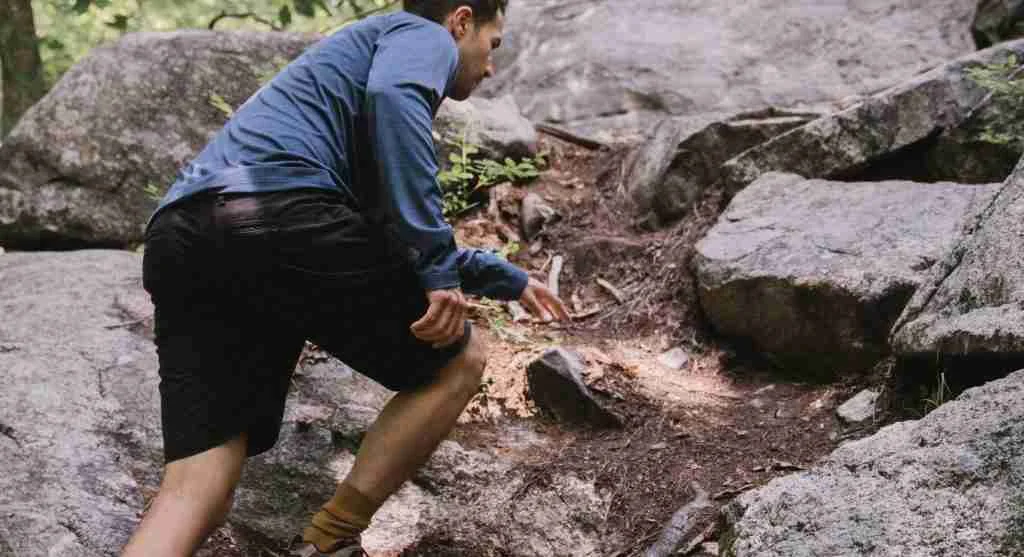
Credit: Kampus Production / Pexels
Frequently Asked Questions
Q: What are early signs of changing weather on a hike?
A: Signs include shifting wind, dark clouds, and noticeable temperature changes.
Q: Should hikers continue if weather changes suddenly?
A: It depends on conditions. Adjusting pace or turning back may be safer if conditions worsen.
Q: Why is visibility important during weather changes?
A: Reduced visibility can make navigation and footing more difficult, increasing the risk of mistakes.
Q: How can hikers stay safe in changing weather?
A: Awareness, pacing adjustments, and flexible planning help maintain safety on the trail.
Key Takeaway
Hiking weather can shift rapidly, and that impacts how comfortable you are, how safe you are, and what the trail is like. If you notice changes coming, slow down and be willing to alter your plans along the way; this is how hikers handle things well. Being relaxed and ready for anything usually means your hike will be much safer and easier to deal with.