
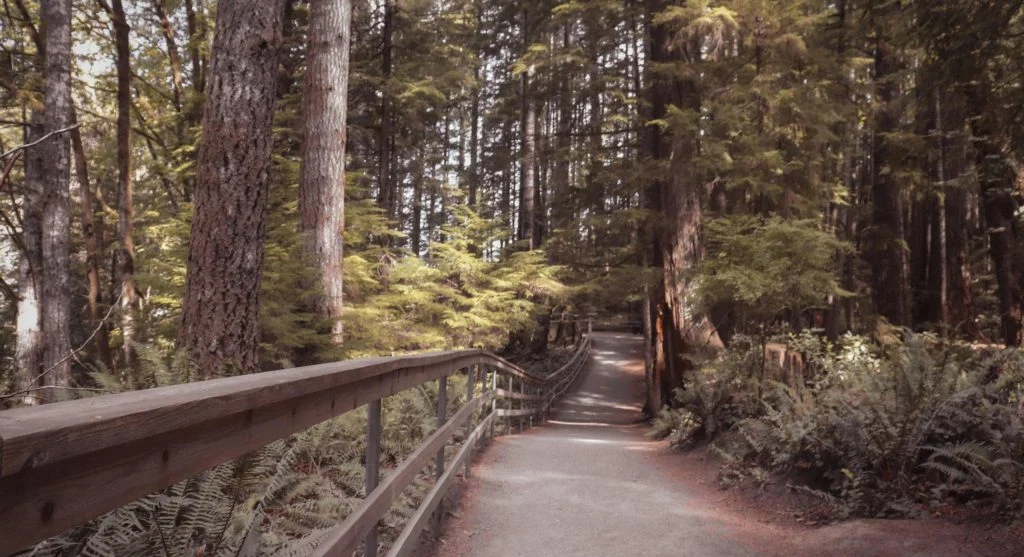
Many hikers enjoy quiet nature trails because they offer something different from busy roads, parks, and daily noise. Bird calls, moving leaves, insects, and distant water often become part of the hiking experience. On these routes, one simple habit can make a large difference: hikers who lower voices on quiet trails often help protect both trail atmosphere and wildlife activity.
Outdoor educators often explain that hiking etiquette is not only about passing and yield rules. It also includes how sound affects other trail users and the environment itself. Naturalists also note that many animals respond quickly to human noise, even when hikers do not realize how far voices travel in otherwise calm spaces.
Why hikers should lower voices on quiet trails with wildlife nearby
Quiet trails often feel special because natural sound stands out more clearly than usual. Birdsong, branch movement, and other small details become easier to notice when human noise stays low. Hikers who lower voices on quiet trails help protect that experience for everyone using the route, not only for themselves.
Outdoor instructors often explain that sound behaves differently in calm natural settings than people expect. A voice that seems moderate in a parking area or busy trailhead may carry much farther in a quiet forest, open meadow, or water-side trail. That extra reach is one reason quieter voices matter more than hikers sometimes assume.
How wildlife trail etiquette affects animal behavior
Wildlife trail etiquette often begins with understanding that many animals notice people before people notice them. Birds may stop calling, small mammals may move away, and larger animals may avoid an area entirely once human sound rises. Lower voices on quiet trails can reduce that disturbance and make wildlife behavior feel more natural along the route.
Naturalists often explain that hikers do not need complete silence to support wildlife activity. The main difference usually comes from avoiding loud, repeated, or unnecessary sound. Lower voices often create less disruption while still allowing normal communication within a group.
Why hiking noise awareness matters more in quieter settings
On loud or busy trails, one more conversation may not change much. On quiet nature trails, the same sound can dominate the full area. Hiking noise awareness matters more in these places because the trail environment has less competing sound to absorb it. What feels like ordinary speaking can become the loudest thing in the landscape.
Outdoor recreation specialists often note that hikers sometimes do not realize they are setting the tone for everyone nearby. A calm trail can quickly feel less peaceful when one group speaks loudly through long stretches of open or wooded ground.
How quieter voices improve the trail for other hikers
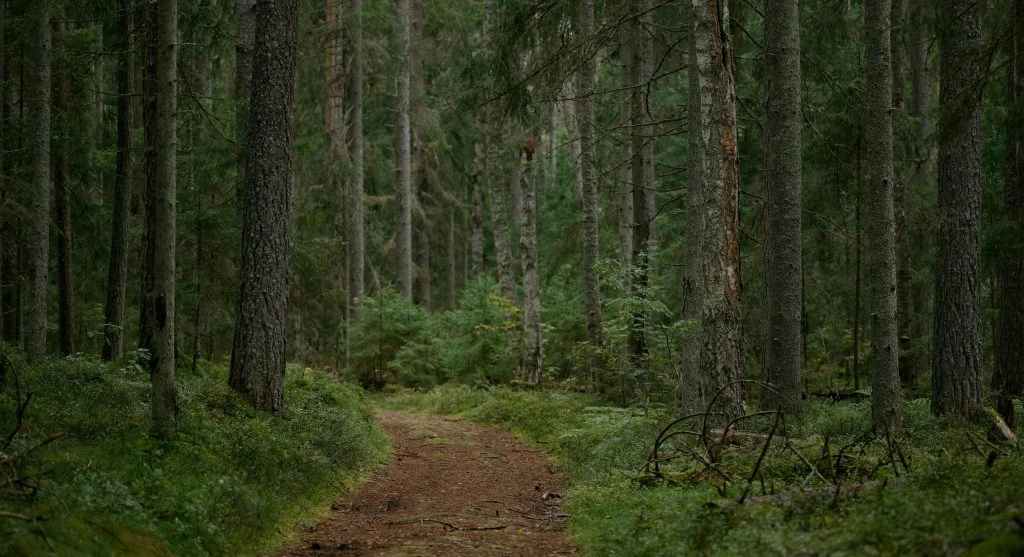
Many hikers choose quiet routes for calm, reflection, or closer connection with nature. Loud conversation can change that experience quickly, especially when it continues through long sections of trail. Hikers who lower voices on quiet trails usually help preserve the reason many people came there in the first place.
Outdoor guides often explain that this is part of basic trail courtesy. Other hikers may want to hear birds, running water, or simply the quiet rhythm of walking outdoors. Lower voices make more room for that shared experience without asking anyone to stop communicating entirely.
Why group size changes how much voices carry
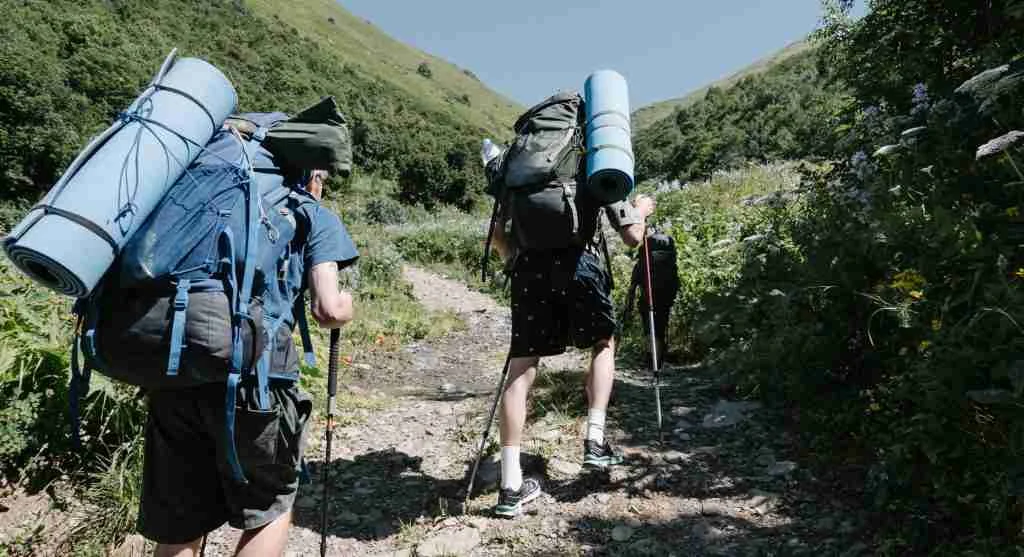
A single person speaking softly may have little effect. A group speaking across several people often creates a much larger sound footprint. Voices overlap, volume rises naturally, and conversation may continue without long quiet stretches. Lower voices on quiet trails become especially important in groups because sound multiplies faster than people notice.
Outdoor group leaders often explain that groups do not need to stop talking. They often just need shorter exchanges, closer walking distance, and more awareness of when the trail setting is especially calm or wildlife-rich. These small changes often reduce noise more than people expect.
How wildlife activity is often noticed through sound first
Many trail wildlife moments begin with hearing, not seeing. A bird alarm call, a branch movement, a frog chorus, or rustling in leaves often provides the first clue that something nearby is active. Hikers who lower voices on quiet trails usually give themselves a better chance to notice those moments before they disappear.
Naturalists often explain that nature observation works best when the hiker leaves enough space for the environment to be heard. Loud conversation does not only affect wildlife. It also reduces the hiker’s chance to notice the wildlife that is already there.
Why quiet nature trails feel shorter and calmer with less noise
Sound affects how a trail feels over time. A quieter route often feels calmer, steadier, and more immersive. Loud voices can make the hike feel more crowded, even when few people are present. Lower voices on quiet trails often support a more natural pace because the surroundings stay more present in the experience.
Outdoor psychologists often note that calm sound environments often improve attention and reduce mental clutter. This is one reason quiet routes can feel restorative. Too much human noise often changes that mood more quickly than hikers realize.
How hikers can communicate without disturbing the trail
Most communication on the trail can still happen easily at a lower volume. People usually do better when they walk a little closer together, speak more briefly, and let some sections remain naturally quiet. Lower voices on quiet trails do not require perfect silence. They simply require matching communication to the setting.
Outdoor instructors often recommend noticing key moments. Early morning wildlife hours, water-side paths, dense forest stretches, and low-traffic trail sections often benefit most from quieter sound. These are often the places where reduced volume makes the biggest difference.
Why this small etiquette habit often improves the whole hike
Lowering voices may seem minor, yet it often changes much more than a single conversation. The trail feels calmer, wildlife activity may remain easier to notice, and other hikers often enjoy the route more fully. Like many trail habits, the effect is quiet but meaningful.
Park staff often explain that the best etiquette often goes almost unnoticed because it prevents problems before they begin. Hikers who lower voices on quiet trails usually help protect the kind of atmosphere that makes those trails worth visiting in the first place.
Frequently Asked Questions
Q: Do hikers need to stay completely silent on quiet trails?
A: No. The goal is usually not total silence. Lower voices on quiet trails simply help reduce unnecessary disruption to wildlife and other hikers.
Q: Why do voices matter so much in nature?
A: Quiet settings carry sound farther and make it more noticeable. In wildlife-rich areas, louder conversation may disturb animals and change the experience for other trail users.
Q: Is this mainly about etiquette or wildlife?
A: It is about both. Wildlife trail etiquette and trail courtesy often support each other because lower voices help protect natural sound and shared calm at the same time.
Q: Does this matter more at certain times of day?
A: Often yes. Early morning and quieter low-traffic hours usually make sound carry more clearly and make wildlife activity easier to notice.
Key Takeaway
Hikers who lower voices on quiet trails often improve the trail for both wildlife and other people. Lower sound supports wildlife trail etiquette, stronger hiking noise awareness, and a calmer outdoor experience overall. In many cases, one small change in volume helps preserve the exact kind of quiet nature trail people came to enjoy.