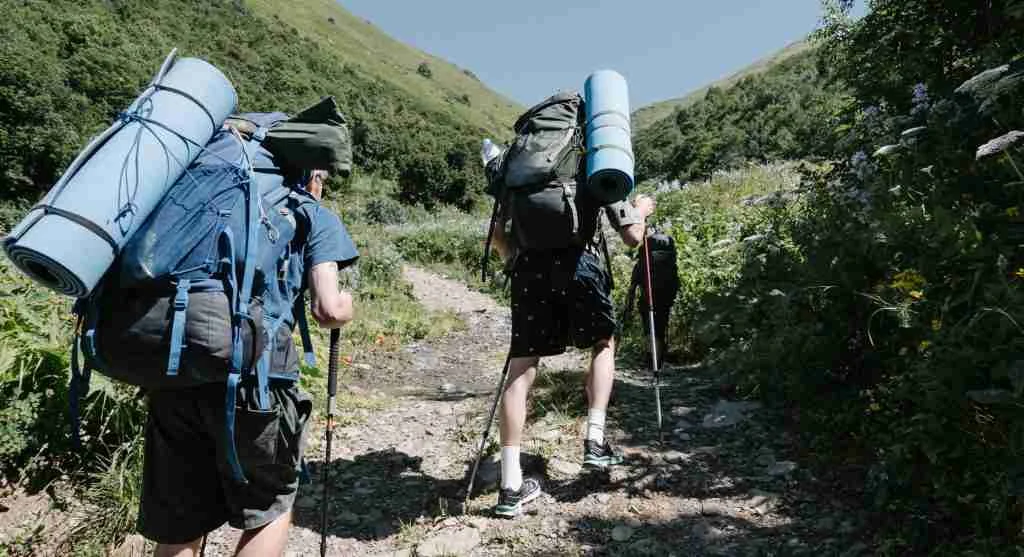


Many solo hikers plan a return time before leaving the trailhead, then stop thinking about it once the hike begins to feel comfortable. That is understandable. A quiet trail, fresh energy, and easy early movement can create the impression that the day is fully under control. Yet this is often the best moment to recheck return time rather than waiting until the route already feels longer or more tiring.
Outdoor educators often explain that solo hiking planning works best when timing is reviewed during the hike, not only before it. Search and rescue trainers also note that many late-day problems begin on trails that felt easy earlier. The hiker was not careless. The trail simply felt simple enough that timing no longer seemed urgent.
Why solo hikers should recheck return time early in the hike
One reason to recheck return time early is that the first part of a hike often gives an incomplete picture of the whole outing. The body is fresh, the trail may still be smooth, and the pace may be faster than it will be later. A return plan based only on that first stretch can quickly become too optimistic.
Outdoor instructors often explain that solo hikers do not have a partner to question the pace or notice how long stops are becoming. That makes an early timing review especially useful. It replaces missing outside feedback with a simple self-check before small changes grow into bigger timing gaps.
How easy trail conditions can hide slower progress
Easy-looking trails often create false confidence. A route may begin on smooth ground with mild weather and good visibility, which makes steady progress seem almost automatic. Later, rougher footing, longer climbs, or warmer conditions can slow movement more than expected. This is why solo hikers should recheck return time before assuming that the early pace will hold.
Fitness specialists often note that hikers rarely slow down in one dramatic moment. Pace usually changes through a series of small reductions. Because those changes feel minor one by one, the hiker may not realize how much the total schedule has shifted until much later.
Why hiking alone timing changes with small unplanned stops
Solo hikers often enjoy the freedom to stop when something feels interesting. A view, a photo, a quiet break, or a navigation glance may each take only a short time. Together, these moments can reshape the whole day. Recheck return time habits matter because they reveal whether those small stops are still fitting the original plan.
Outdoor coaches often explain that solo hikers do not need to avoid these pauses. They simply need to notice what the pauses are doing to the route. A calm early check often makes that much easier than waiting until the trailhead feels too far away for comfort.

How daylight and weather make early checks more important
Time does not affect every trail the same way. A route that begins under cool morning light may return in stronger sun, lower light, or changing wind. Solo hikers should recheck return time because later conditions often feel different from the ones present at the start. The same trail can become slower or less comfortable simply because the day is changing around it.
Outdoor weather educators often explain that hikers often plan with the trailhead conditions in mind. The deeper route may behave differently. An early time check gives space to adjust while those changes are still manageable instead of waiting for discomfort or pressure to make the decision harder.
Why turnaround awareness matters more than confidence
Confidence can be helpful on the trail, but it does not replace timing awareness. A solo hiker may feel sure about the route, feel physically fine, and still be moving toward a return that will be tighter than expected. Recheck return time habits are useful because they focus on facts rather than on how the hike feels in the moment.
Search and rescue trainers often explain that many strong trail decisions look simple. Turning a little earlier, shortening a break, or reducing the remaining route often happens not because the hiker lost confidence, but because the timing check showed the smarter choice clearly.
How familiar trails can make timing checks easier to ignore
Local or familiar trails often create the feeling that timing will take care of itself. The hiker may believe the route is well known enough that a return estimate does not need much attention. Yet even known trails change with pace, season, ground condition, and personal energy. Solo hikers should recheck return time on familiar routes too, because routine often lowers awareness more than difficulty does.
Outdoor educators often note that familiar trails may be the exact places where hikers stop monitoring time carefully. The route feels safe and known, which can make delays seem less important until later in the outing.
Why the best time check often happens before the turnaround point
Many hikers wait until they are already close to the planned turnaround before reviewing the clock. By then, the choice may feel emotionally harder because the destination or viewpoint is already near. Recheck return time habits work better slightly earlier, when the hiker still has room to make a calm decision instead of a reluctant one.
Trail coaches often explain that this protects the whole day. A small timing adjustment made before the final push often preserves a comfortable return, while the same decision delayed too long may turn the second half into a rushed or less enjoyable hike.
How solo hikers can make timing checks simple
The habit does not need to be complicated. Many solo hikers use clear checkpoints such as the first major junction, the first climb, the first long break, or the point where the trail opens into a more exposed section. At those moments, it often helps to ask whether the current pace, daylight, and energy still support the original return plan.
Outdoor instructors often recommend keeping the questions short. Is the route taking as long as expected. Does the return still fit the available light and energy. Has pace changed more than it felt like it changed. These simple checks often give enough information to support a better decision.
Why early timing checks make solo hikes feel calmer, not stricter
Some hikers avoid timing reviews because they worry the trail will feel less free. In practice, recheck return time habits often do the opposite. They reduce uncertainty before it has a chance to grow. A solo hiker who knows the return still fits the day usually relaxes more than one who keeps wondering about it without checking.
Outdoor coaches often explain that freedom on the trail works best with a little structure underneath it. A one-minute timing check can protect the calm feeling of a solo hike far better than a late realization that the return now feels rushed.
Frequently Asked Questions
Q: Why should solo hikers recheck return time if the hike feels easy?
A: Because early comfort can hide slower pace, extra stops, and changing conditions. A simple check helps confirm whether the return still fits the day.
Q: When is the best time to review return timing?
A: Many hikers do well by checking at natural points such as the first major junction, the first climb, or before the planned turnaround feels very close.
Q: Does this matter on familiar local trails too?
A: Yes. Familiar trails can reduce attention to time, even though season, pace, and trail conditions may still change how long the route really takes.
Q: Will timing checks make solo hiking feel too strict?
A: Usually no. Simple early checks often make the hike feel calmer because they reduce uncertainty and support better decisions before pressure builds.
Key Takeaway
Solo hikers should recheck return time before a trail starts feeling easy for too long because early comfort can hide slower pace, extra pauses, and changing conditions. Strong solo hiking planning usually includes simple timing checks during the route, not only at the start. In many cases, a one-minute review early in the hike protects the calm and control of the whole day.