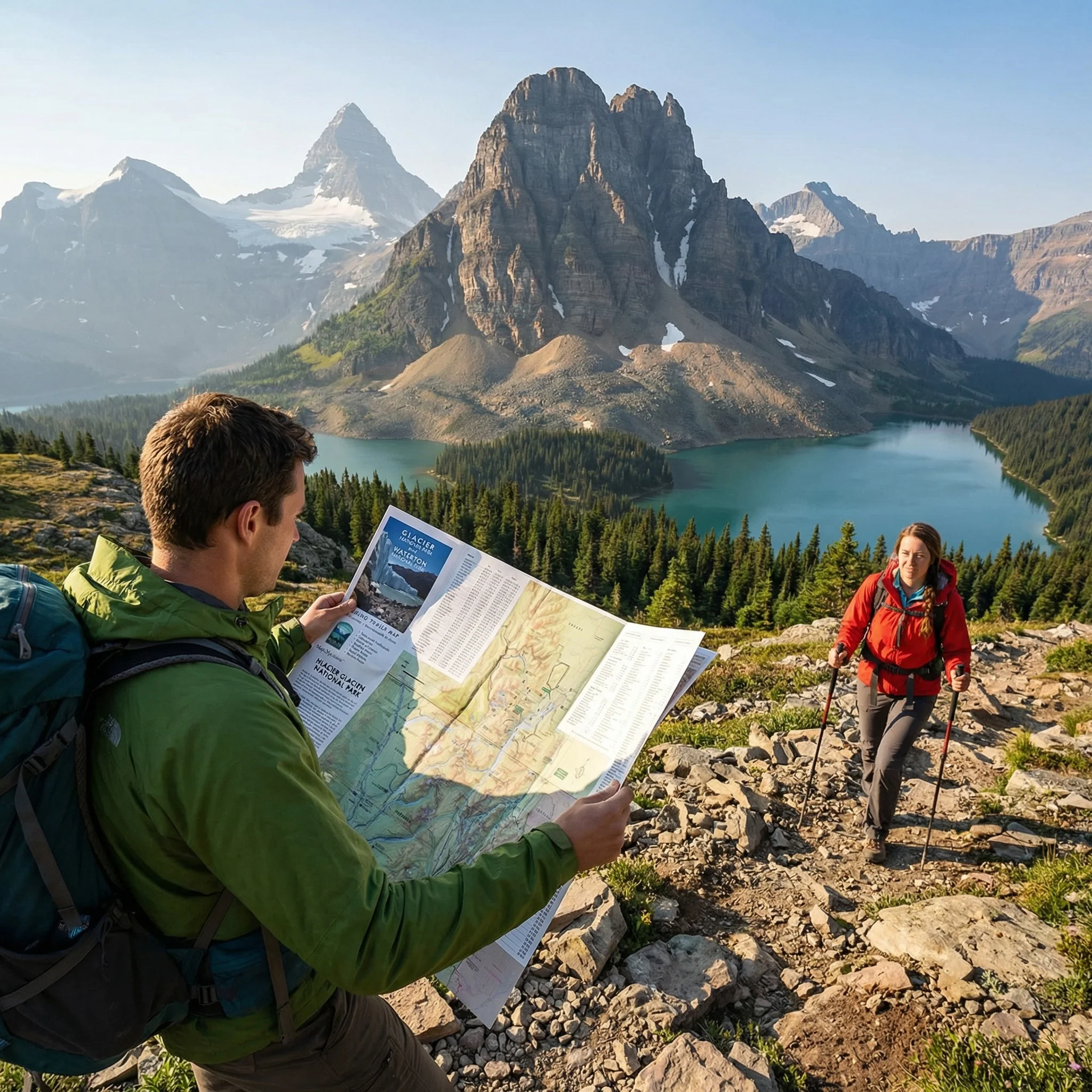
Planning your hike is incredibly important for having a fun and safe time. Lots of issues on hikes happen before you even set foot on the path, frequently because people haven’t carefully looked at how far it is, how much the height changes, what the weather will be, or what the trail is like. A route that’s been properly planned means the trail you choose for the day will be suitable for how much time you have, how good at hiking you are, and how much energy you’ve got.
Those who teach people about being found when lost in the mountains will tell you that not planning enough is a big reason for problems that could have been prevented. Those in charge of the land and people who teach outdoor skills both say that the specifics of the route are more important than a lot of hikers realize. Five miles of trail that goes steeply uphill, crosses streams, or is over lots of rocks will be a lot harder than a longer trail that is more level.
Why trail planning starts with honest route selection
When you’re planning a hike, it’s best to be realistic about what you can do. Hikers frequently think about how nice the scenery will be, how many people go on the trail, or what it looks like in pictures on social media, but those things don’t tell you how hard it will actually be. Looking at the distance, how much the trail goes up in height, what the ground is like to walk on, and how much of the trail is out in the sun, wind or open to the weather is a much better place to start.
People who work in outdoor activities generally advise you to choose a trail that’s easily within your ability. So select a hike that you are confident you can do, even if you have to go slower than planned, the weather is different than you expected, or you need to stop and rest more than originally thought. Trails at the very top of what you’re capable of don’t give you much leeway for mistakes.
Knowing if a trail goes out and back (so you retrace your steps), makes a loop (and returns to the start), or is from one point to another is useful, too.
How to read distance and elevation gain before a hike
How far you walk isn’t the whole picture; in fact, how much the trail goes up is quite often what makes it feel difficult. Even a fairly brief trail that climbs steeply can use up more of your leg power and need more recovery time than a much longer, level walk. So when figuring out a hike, it’s best to look at the distance and how much climbing there is.
Trail creators and trainers who work with stamina frequently say what the ground is like is important too. Things like mud, loose rocks, sand, roots, and lots of little ups and downs will probably slow you down more than you think. A trail that looks reasonably easy on a map can be exhausting to actually walk because you’re always adjusting your steps.
A good thing to do when planning is to allow for a lot of time. If you build in extra for rests, for stopping for photos, and for going more slowly on the hills, you’ll be less likely to have to hurry back when it gets dark.
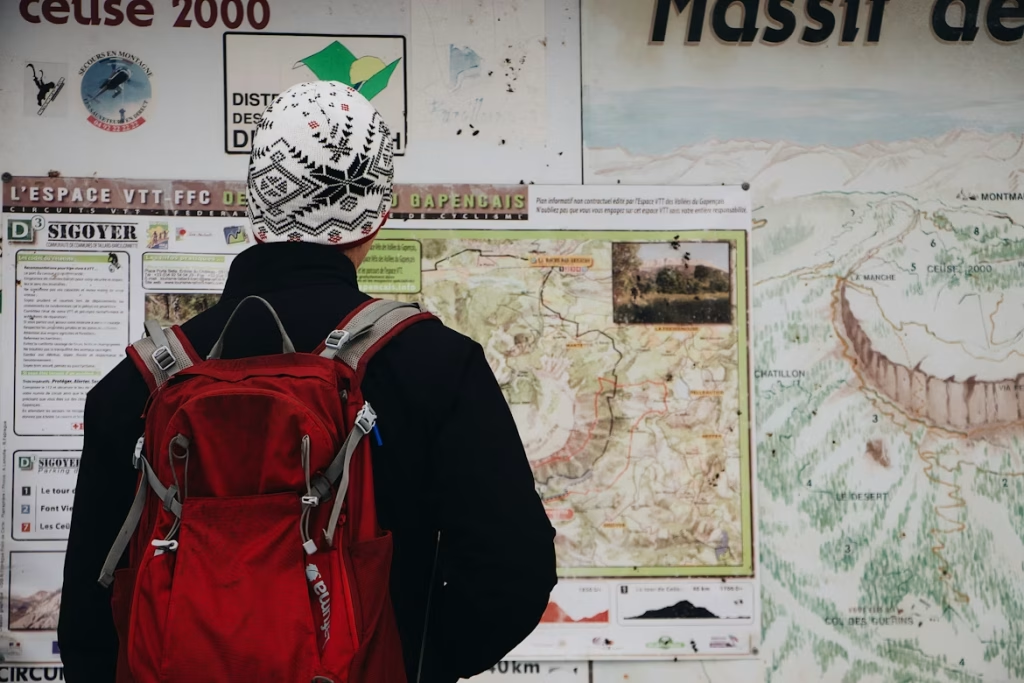
Credit: Photographer Name / Platform Name
What trail planning should include about weather and timing
When you plan a hike, don’t just glance at the temperature. You need to look at the weather thoroughly. Wind, rain, heat and rapidly shifting conditions in mountains or wide open spaces all have an effect on how fast you travel and whether you’ll be safe. Professionals who deal with outdoor safety suggest looking at the forecast for each hour, and considering how the trail will be at different points during the day.
What time you begin is important, too, as many trails get more difficult as the day goes on. Exposed paths get hotter, shaded areas become surprisingly cold and some areas are prone to afternoon thunderstorms. If you start earlier, you have more leeway and won’t feel so rushed.
And be sure to consider the amount of daylight. Even a trail you know well can be disorienting in fading light, particularly where trails split. Deciding in advance what time to turn around will stop small holds-ups from snowballing into serious issues.
How trail conditions and access details shape a hiking route
Trails can go from good to bad in a hurry, with rain, melting snow, fallen trees or planned work to the trail all being causes. Hikers usually think carefully about how far they’ll go and the forecast, but they don’t always confirm the trail is actually open and in condition for use. You can find out what’s currently getting in the way of your hike by looking at park information, speaking to rangers, or checking official trail warnings before you go.
How you get to the start of your hike is also more important than a lot of people realize. Parking availability, if you need a permit, seasonal road closures, or bus times can all affect your day. Good trail planning should include how long it will take to get to the trailhead, not only the hiking portion.
Experts in getting around in the outdoors suggest getting the route onto your device beforehand.
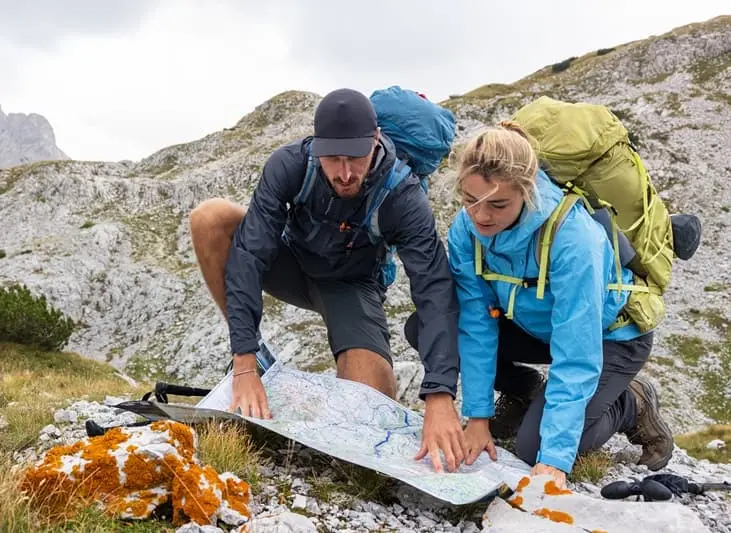
Credit: Photographer Name / Platform Name
Trail planning habits that reduce stress on the day of the hike
The night before a hike is often when you can do your best planning. Getting your clothes ready, making sure your water bottles are full, looking at what snacks you’re taking, and looking over the details of the trail can all stop you from having to make quick choices in the morning. Hikers who get prepared in advance are far less likely to leave behind important things like sunscreen, a fully-charged phone, or an extra piece of clothing.
Experienced outdoor instructors often say to tell someone which route you’re hiking, particularly if you’re going by yourself. Just a quick message with the trail’s name, when you plan to start, and roughly when you think you’ll be back can be a really helpful safety net if your plans suddenly alter.
Trail planning isn’t about making hiking feel like a lot of official work. It’s about eliminating problems that could easily be avoided.
Frequently Asked Questions
Q: Why is trail planning important for short hikes?
A: Even short hikes can include steep sections, confusing turns, or changing weather. Trail planning helps hikers understand what the route actually demands before they arrive.
Q: What is more important, distance or elevation gain?
A: Both matter, but elevation gain often changes difficulty more than distance alone. A shorter trail with steep climbing can feel harder than a longer flat hiking route.
Q: How early should hikers check trail conditions?
A: Trail conditions should be checked before leaving home and again close to departure if possible. Closures, mud, storms, and access issues can change quickly.
Q: Should hikers rely only on phone maps?
A: No. Downloaded maps, screenshots, or printed route notes are useful backups because phone signal may be limited on many trails.
Key Takeaway
When you plan a hiking trail, you get a much better idea of what it will be like. How a hike actually feels depends on things like how far you’re going, how much the path goes uphill, what the weather is doing, how you get to the start and what the trail itself is like. Planning well means you’ll have less unnecessary worry and be safer. Plus, you’ll have an easier time picking a trail that’s good for that particular day, and won’t be trying to decide while you’re already out on it.
[INTERNAL LINKING SUGGESTIONS]
- How to Understand Elevation Gain Before Choosing a Trail
- What Hikers Should Check Before Leaving for the Trailhead
- Simple Offline Navigation Tips for Day Hikes
Leave a Reply