People usually think of hiking safety as something you just know, but a lot of trouble on trails happens because of easy mistakes in what hikers expect to be true. Hikers often figure a quick hike is always fine, good weather pretty much gets rid of any danger, or they’ll have a cell signal to adjust plans if needed. But thinking like that causes bad choices to be made well before anything really scary happens.
Rescuers and people who teach about enjoying the outdoors frequently say that nearly all accidents begin with something small. Getting lost because of a wrong turn, not having enough water, boots that are falling apart, or beginning a hike too late in the day…all of these can snowball when the situation shifts. In general, being safe on a hike comes from finding out what’s wrong with the typical assumptions and instead using sensible judgement on the trail.
Myth 1: Short trails do not require real hiking safety planning
Lots of hikers think you don’t need to bother with much planning for short trails. But actually, being safe on the trail is important even on hikes that are close by or very popular; the weather, the land itself, and what time of day it is can all change surprisingly rapidly. Just because a hike isn’t long doesn’t mean it will be easy.
Rescue teams who teach about safety in the outdoors will often say that trails you know well can make you too sure of yourself. Because it feels like the same old thing, people will perhaps forget to bring water, not pay attention to the forecast, or begin their walk later in the day than they should.
Myth 2: Good weather removes most hiking safety risks
When the sky is clear, hiking is lovely and calming, but being safe out on the trail still relies on being careful about the heat, how much sun you’re getting, where you’re putting your feet, and knowing your route. Hot and dry weather can make you lose water and get tired, particularly when climbing where you’re in the sun. Plus, wind and temperature can shift quickly as you get higher up or if you’re in wide open spaces.
Experts in outdoor health frequently point out that a pleasant temperature in your town doesn’t necessarily mean the same on the trail. Even on a day that looks good, good planning for the particular path you’re taking is essential.

Credit: Photographer Name / Platform Name
Myth 3: Phone service is enough for trail safety
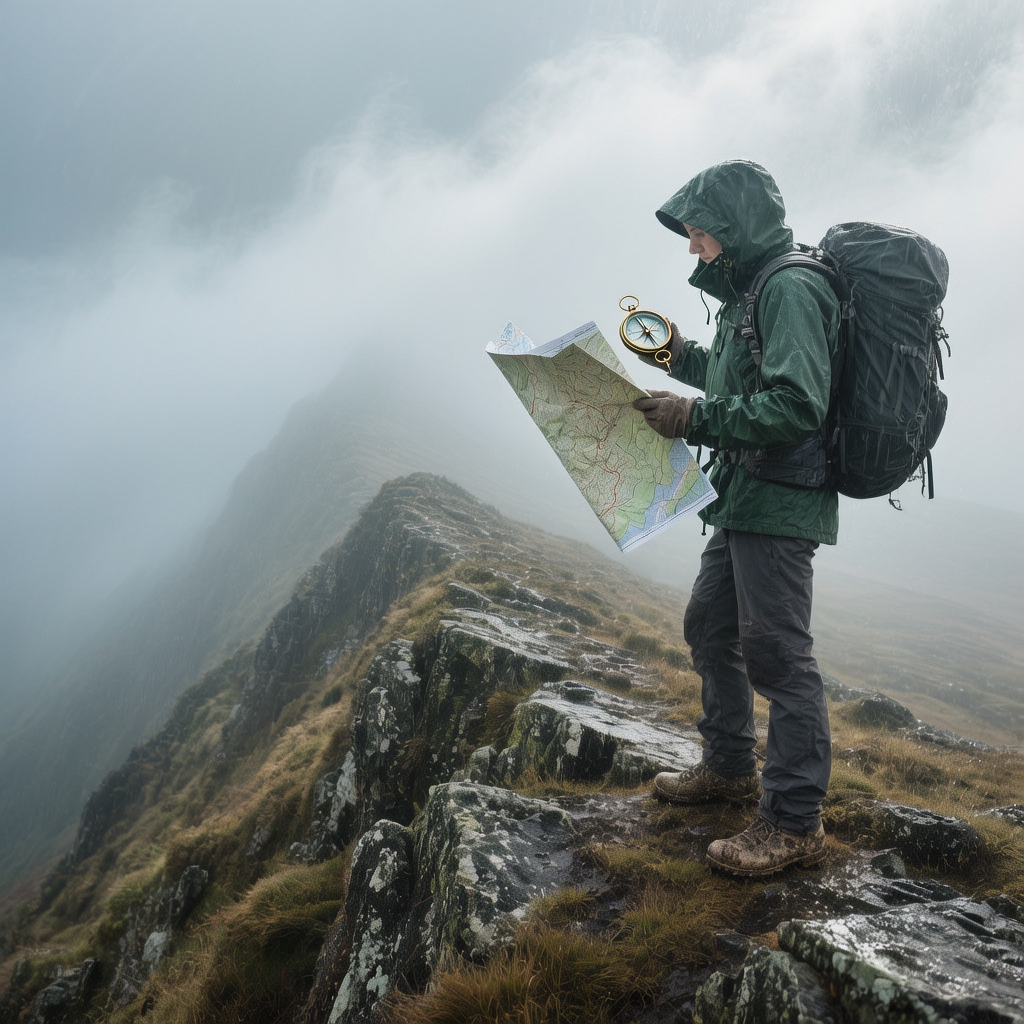
Phones are handy when you’re out and about, but depending on getting a signal is a bit of a gamble. Lots of places for hiking don’t have a strong signal, your phone might not stay charged for long, or maps on it will be slow to appear. Because of this, people who teach navigation say to have maps you’ve saved to your phone, pictures of the map on your phone, or the route written down as a fallback.
If you think about the possibility of not being able to communicate during your hike before you go, you’ll be safer. Also, letting someone else know where you’re going is a good idea, particularly if you might not be back when you said you would.
Myth 4: Only remote trails require emergency thinking
People often think you’d only have a problem while hiking way out in the wilderness. But in fact, you can easily twist your ankle, get dehydrated, suffer from the heat or get lost on any path. Because of this, people who know about safety commonly suggest bringing a small first aid kit and sufficient food and water for even a fairly easy walk.
Planning for emergencies doesn’t have to be over the top. It’s mostly about being ready for common issues before they get complicated.
Myth 5: Wildlife is the main hiking safety concern on every trail
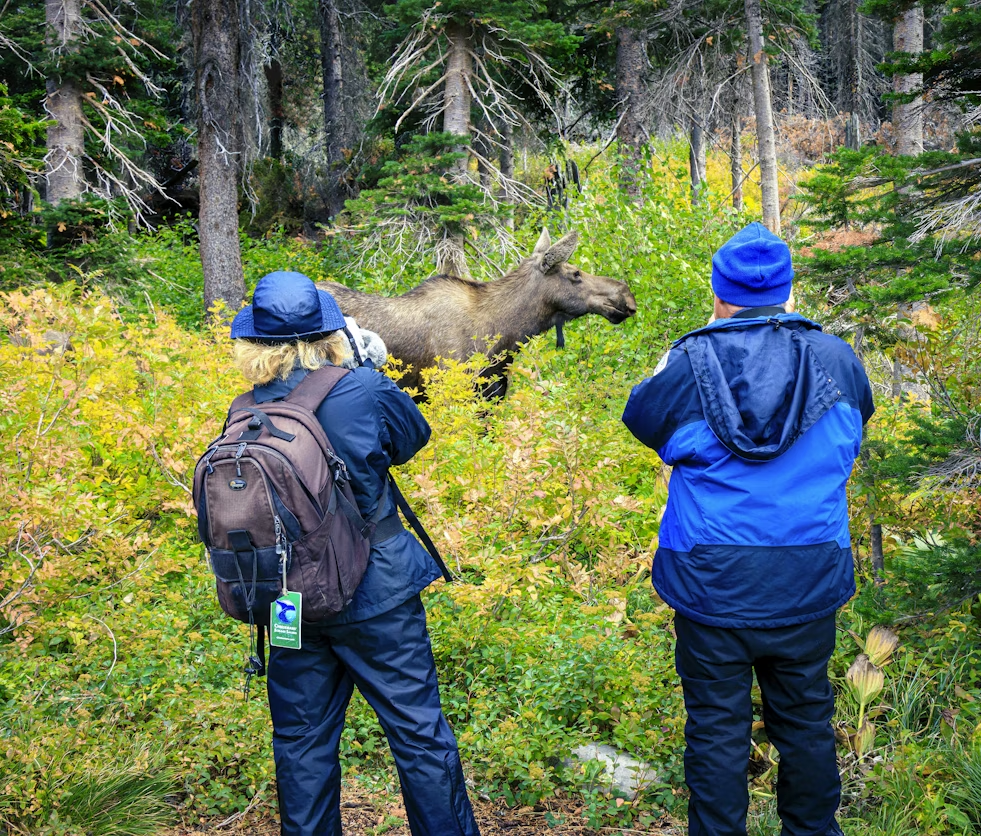
Knowing about animals in the wild is important, however it’s much more usual for problems on trails to be caused by things like being out in the weather, slippery or unsteady ground, going the wrong way, or simply doing too much. People hiking will frequently think a lot about possibly seeing a strange animal and not notice the much more normal things that can mess with how comfortable or sensible you are.
Experts on wildlife say to be mindful of animals and stay away from them, but they also point out to give as much thought to your water supply, clothing you can add or take off, how the trail is to walk on, and when you’re planning to be at certain points on the trail.
Credit: Photographer Name / Platform Name
Myth 6: Hiking with a group always guarantees trail safety
Being with others is useful, but you still have to make a plan. If people are going at different speeds, aren’t talking to each other, or are at very different stages of being in shape, things will probably get held up or become muddled. Experienced leaders in the outdoors suggest everyone knows how long the walk will be, what time you’ll definitely turn around, and how far apart you should be from each other before you set off.
And even when you are with a group, staying safe on a hike relies on everyone being aware of what’s going on. If no one’s keeping an eye on the time, how much water everyone is drinking, or where you are on the map, the group could easily get into difficulties that could have been avoided.
Myth 7: Experience makes hiking safety automatic
Good hikers have their ways of doing things, yet being sure of yourself can also make you take risks. When you know a trail well, you might not bother to look at the route properly, miss how the weather is actually doing, or not realize how tired you’re becoming. People who work in outdoor activities frequently say you should carefully plan for each hike, as if it’s the first time.
Staying safe on a hike isn’t about being scared, it’s about doing things the same way each time. You’ll need water, to be aware of the time, know the forecast, have a way to find your location, and pick a trail that’s right for you on every single trip, regardless of how many hikes you’ve completed.
Frequently Asked Questions
Q: What is the biggest hiking safety mistake on day hikes?
A: One of the biggest mistakes is underestimating a familiar or short route. Hikers often skip water, weather checks, or route planning because the trail seems simple.
Q: Is hiking alone always unsafe?
A: Solo hiking is not automatically unsafe, but it requires stronger planning and awareness. Route sharing, timing, navigation backup, and honest trail selection become even more important.
Q: What should hikers do first if they feel lost?
A: Hikers should stop moving, stay calm, and review their map or route details. Continuing quickly without certainty often makes navigation errors worse.
Q: Does trail safety mean carrying a large emergency kit?
A: No. Day hike safety often depends more on route planning, water, weather awareness, and a few useful essentials than on carrying a large amount of gear.
Key Takeaway
You’ll be safer on hikes if you don’t just assume things will be okay. Even if a trail is short, the weather is nice, you’re with others, or you’ve hiked before, you still need to plan. Knowing where you’re going, drinking enough water, checking the forecast, and having a way to find your way if your main method fails are all important on nearly all hikes. Most of the time, being safe on trails comes from doing the same sensible things regularly, not from needing to be amazingly rescued at the last minute.
[INTERNAL LINKING SUGGESTIONS]
- How to Pack a Simple Day Hike Safety Kit
- What to Do if Weather Changes Mid-Hike
- Easy Navigation Habits That Help Prevent Wrong Turns
Leave a Reply