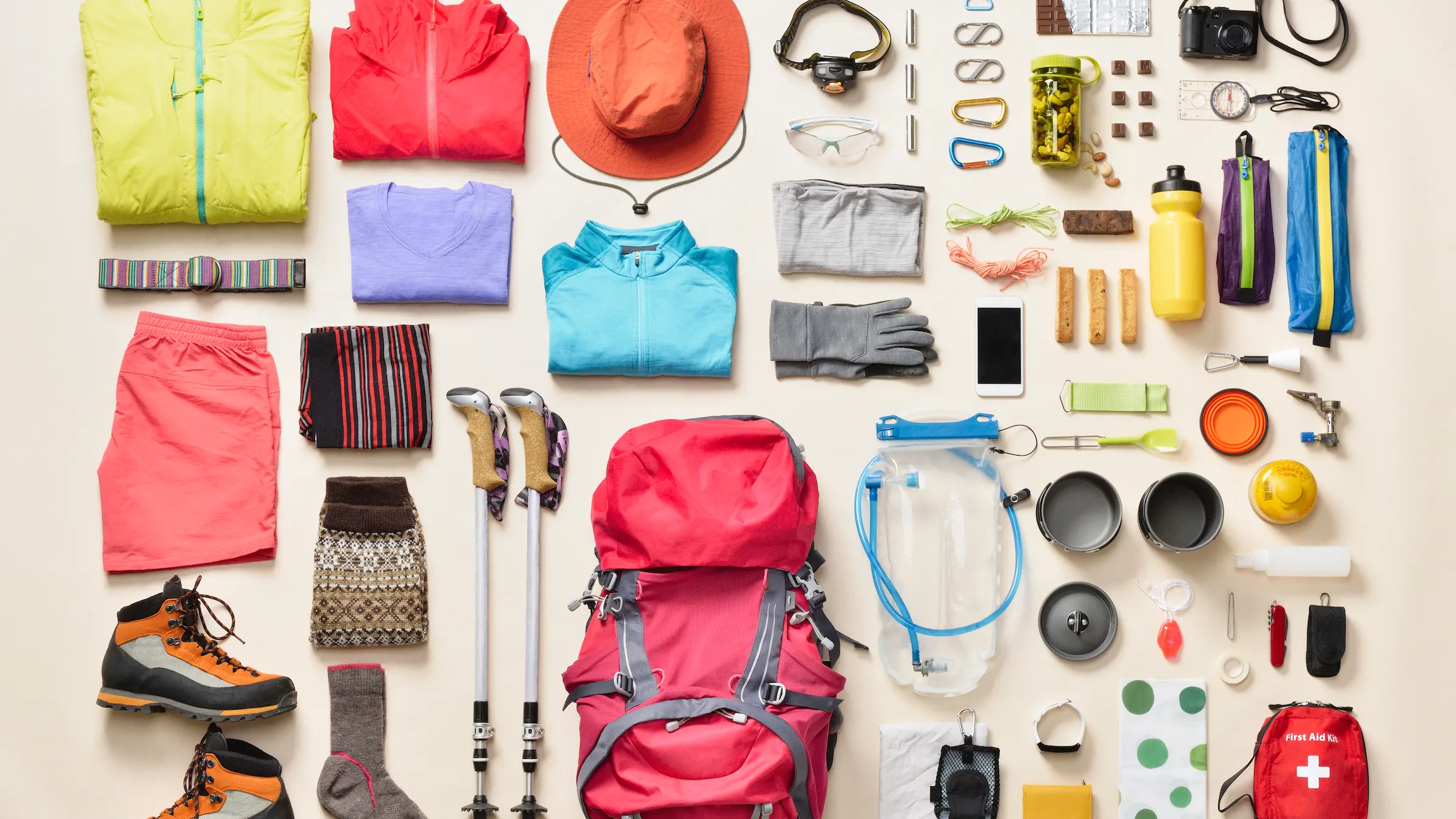
You don’t have to overthink essential hiking equipment, but it really should be sensible. Having the proper things with you will make you more comfortable, stop little annoyances on the trail, and allow you to cope when the weather or the ground underfoot change. Loads of people on day hikes either bring way too much, or don’t have enough of the stuff they genuinely need.
Experienced outdoor leaders will tell you that the best kit for a day on the hills helps you to move, doesn’t get in the way of it. And, as search and rescue experts have observed, a lot of problems on trails are caused by basic gear faults: things like bad shoes, too little to drink, or being dressed inappropriately for the weather. Thinking about what something does, how well it fits and being prepared, are generally much more important than following fashions or worrying about how you look.
1. Supportive footwear belongs at the center of hiking gear basics
What you wear on your feet is usually the first thing you decide about equipment for a hike, and it pretty much determines everything else. Shoes or boots that grip well, support your feet, and don’t let your foot slip around inside will let you walk much more safely on earth, stone, roots, or crumbly surfaces. If they don’t fit properly, you’re likely to get blisters, sore feet and you’ll be more prone to falling.
Experienced hiking leaders are always saying the ideal shoe is the one suited to where you’re going. You won’t need heavy hiking boots for a short walk on a dry trail, but more difficult ground really needs more support and something to really hold on with.
2. A comfortable hiking backpack makes gear easier to carry
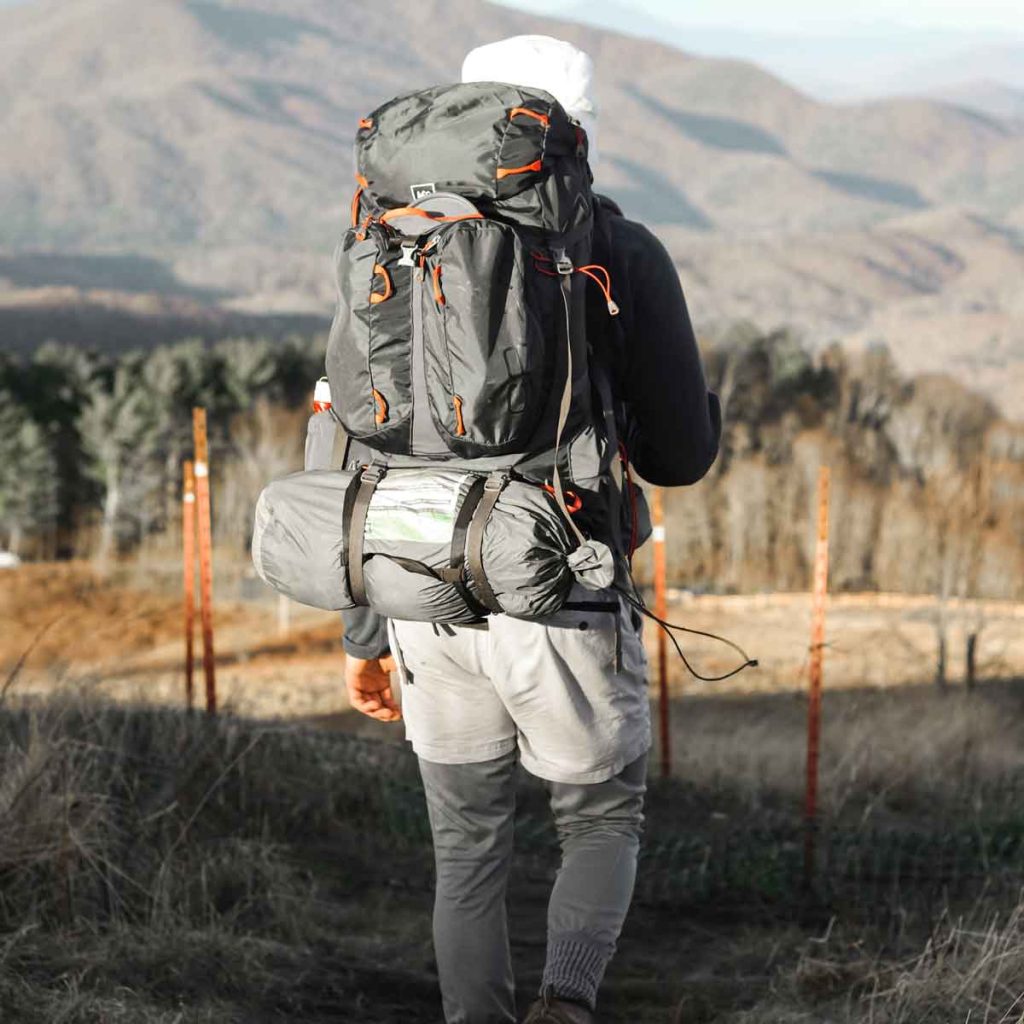
When you’re going for a day hike, your backpack should be steady and not weigh you down. Experienced outdoor instructors generally say to get a bag big enough for water, something to eat, an extra layer of clothing and essential safety equipment, but not one that will make you fill it with loads of unnecessary stuff. How the shoulder straps and the back of the pack fit you are important, as even a not-too-heavy load will tire you quickly if it’s always moving around.
Pockets inside or on the outside help you keep your belongings organized on the trail. Being able to easily get at water, suncream, or a map means hikers don’t have to stop so much to rummage through their bag.
Credit: Photographer Name / Platform Name
3. Trail clothing should manage comfort in changing weather
When you’re out on a trail, it’s best to dress in layers. A base layer that wicks away sweat, a lightweight insulating layer, and something to protect you from the weather will let you get comfortable as conditions shift without needing to pack lots of extra clothes. Experts who work outdoors will tell you to avoid just one thick layer, since your body temperature can go up and down rapidly when you go uphill, downhill or into the wind.
And the kind of material you choose is important as well. Fabrics that dry quickly and manage perspiration are generally more comfortable than those which remain wet for a long time.
4. Water storage is one of the most important hiking gear basics
How you get your water – whether with a hydration pack, a bottle, or a flask – isn’t important as long as it’s something you can easily take with you and use. Hiking instructors will tell you, and rightly so, to carry plenty of water for the entire hike, considering the weather (how hot it is, how much sun exposure you’ll get), and how challenging the path is. If you don’t drink enough, you’ll feel terrible and your decisions while you’re hiking will suffer.
The type of container you pick isn’t what matters, it’s being able to dependably get enough water during all of your time outdoors.
5. Sun and weather protection should not be treated as optional
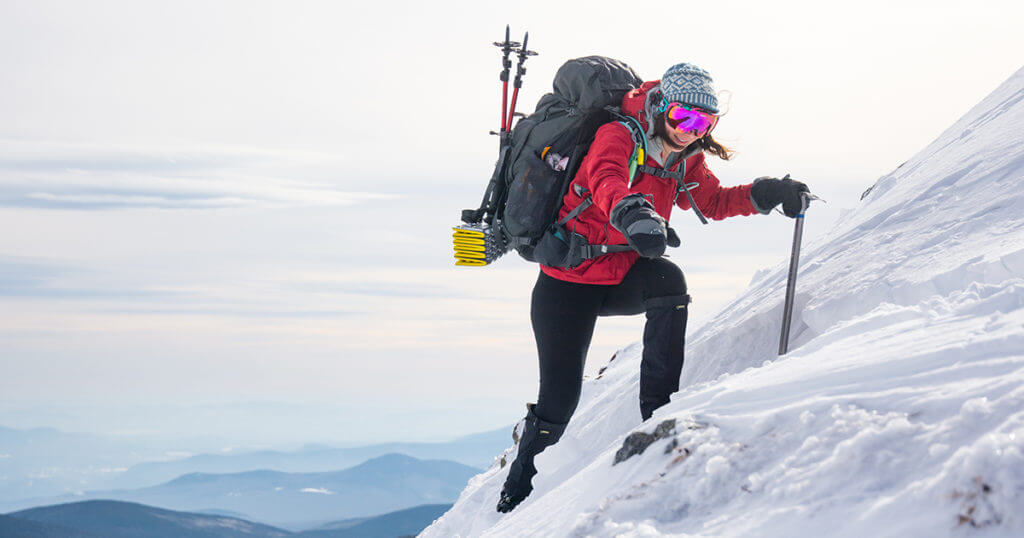
A hat, sunglasses, sunscreen, and a very light waterproof jacket can really help you out on a day of hiking. Sun, wind, and even a bit of light rain affect you gradually, and lots of hikers don’t realize they’re being bothered by them until they’re already feeling miserable. People who are in the business of outdoor fun generally recommend you bring things for whatever the weather might do, not just what it’s doing when you start.
Without protection from the weather, even fairly quick hikes can be a lot less fun. And these little things don’t weigh much, but they will stop typical issues from ruining your trip.
Credit: Photographer Name / Platform Name
6. Navigation tools deserve space in every day hike gear setup
For lots of shorter hikes, your phone with a map on it will probably be all you need. However, you should still be prepared for your phone to lose signal or run out of power. People who teach you to find your way around usually say to have more than one way to check where you are. For example, you could use an app with a picture of the map, a map on paper or the directions to the route actually written down.
And good navigation isn’t just about when you’re way out in the wilderness. Even on very popular trails, you can get to places where paths split and are confusing, or trails look remarkably alike.
7. Snacks and small first-aid items support energy and recovery
For a boost of lasting energy, easy to eat foods like fruit, trail mix and an energy bar are great. Hikers, particularly on all day trips or paths with lots of up and down, are often much more comfortable if they have little snacks.
A small first aid kit is another essential for hiking. It doesn’t have to be big, but bandages, something for blisters and a few other simple items could really come in handy.
8. Hiking gear basics work best when every item has a purpose
When you’re choosing what to take with you, a really obvious thing about good hiking equipment is why you’re bringing it. Everything you pack ought to help you be comfortable, safe, drink enough, be shielded from the weather, or know where you are on the trail. Things are far more valuable on the trail when they address an actual problem, not just occupy room in your backpack.
Lots of outdoor courses will have hikers go over their gear after each hike. What you didn’t use, what you wished you’d had, and anything that was irritating to use, all give you clues for making smarter choices on your next trip. Doing this sort of check-up is how to make sure your day hiking equipment remains sensible as time goes on.
Frequently Asked Questions
Q: What are the most important hiking gear basics for beginners?
A: Supportive footwear, enough water, a small hiking backpack, weather-ready layers, and a way to navigate are usually the most important. These cover comfort, safety, and basic trail needs.
Q: How big should a hiking backpack be for a day hike?
A: A day hike pack should hold water, food, layers, and a few essential items without being oversized. The exact size depends on weather, trail length, and personal needs.
Q: Are cotton clothes good for hiking?
A: Cotton can feel comfortable at first, but it often holds moisture longer than performance fabrics. That can become uncomfortable on sweaty climbs or in cooler conditions.
Q: Do all hikers need trekking poles?
A: Not all hikers need them. Trekking poles can help with balance and reduce strain on some trails, but they are optional for many day hikes.
Key Takeaway
When you’re out on a trail, the most important thing about your equipment is that it handles typical problems easily. Good hiking boots, clothing you can adapt to changing weather, plenty to drink, something to make sure you don’t get lost (as a backup to your main method) and a backpack that feels good will really set you up for a day hike. Typically, the ideal collection of things to take is what you need for the path, but without being heavier than it has to be. And, going over what you used after each walk in the hills will help you make even smarter decisions about what to bring next time.
[INTERNAL LINKING SUGGESTIONS]
- How to Build a Lightweight Day Hike Packing List
- What to Wear on a Hike in Cool and Windy Weather
- Simple Footwear Tips for Rocky and Muddy Trails
Leave a Reply