Author: Sarah Mitchell

  • 7 Hiking Safety Myths Experts Say Can Lead to Trail Problems

    7 Hiking Safety Myths Experts Say Can Lead to Trail Problems

    People usually think of hiking safety as something you just know, but a lot of trouble on trails happens because of easy mistakes in what hikers expect to be true. Hikers often figure a quick hike is always fine, good weather pretty much gets rid of any danger, or they’ll have a cell signal to adjust plans if needed. But thinking like that causes bad choices to be made well before anything really scary happens.

    Rescuers and people who teach about enjoying the outdoors frequently say that nearly all accidents begin with something small. Getting lost because of a wrong turn, not having enough water, boots that are falling apart, or beginning a hike too late in the day…all of these can snowball when the situation shifts. In general, being safe on a hike comes from finding out what’s wrong with the typical assumptions and instead using sensible judgement on the trail.

    Myth 1: Short trails do not require real hiking safety planning

    Lots of hikers think you don’t need to bother with much planning for short trails. But actually, being safe on the trail is important even on hikes that are close by or very popular; the weather, the land itself, and what time of day it is can all change surprisingly rapidly. Just because a hike isn’t long doesn’t mean it will be easy.

    Rescue teams who teach about safety in the outdoors will often say that trails you know well can make you too sure of yourself. Because it feels like the same old thing, people will perhaps forget to bring water, not pay attention to the forecast, or begin their walk later in the day than they should.

    Myth 2: Good weather removes most hiking safety risks

    When the sky is clear, hiking is lovely and calming, but being safe out on the trail still relies on being careful about the heat, how much sun you’re getting, where you’re putting your feet, and knowing your route. Hot and dry weather can make you lose water and get tired, particularly when climbing where you’re in the sun. Plus, wind and temperature can shift quickly as you get higher up or if you’re in wide open spaces.

    Experts in outdoor health frequently point out that a pleasant temperature in your town doesn’t necessarily mean the same on the trail. Even on a day that looks good, good planning for the particular path you’re taking is essential.
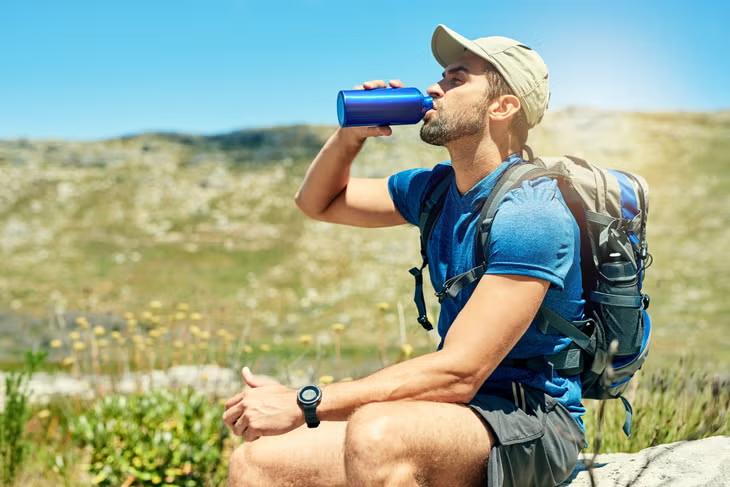
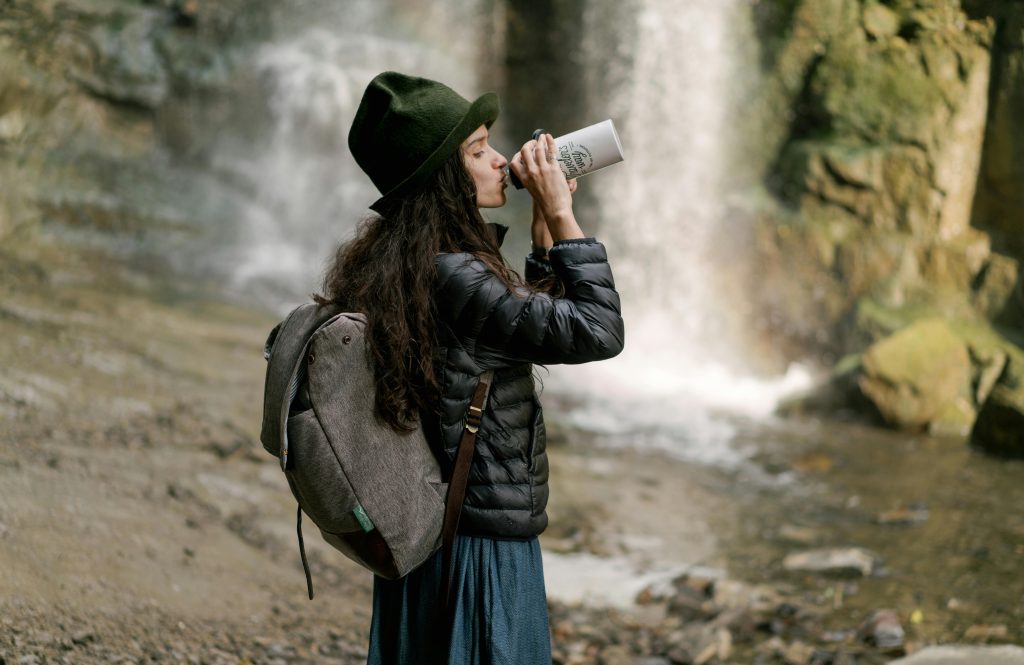
    hiking safety on a sunny trail requires hydration and sun protection

    Credit: Photographer Name / Platform Name

    Myth 3: Phone service is enough for trail safety

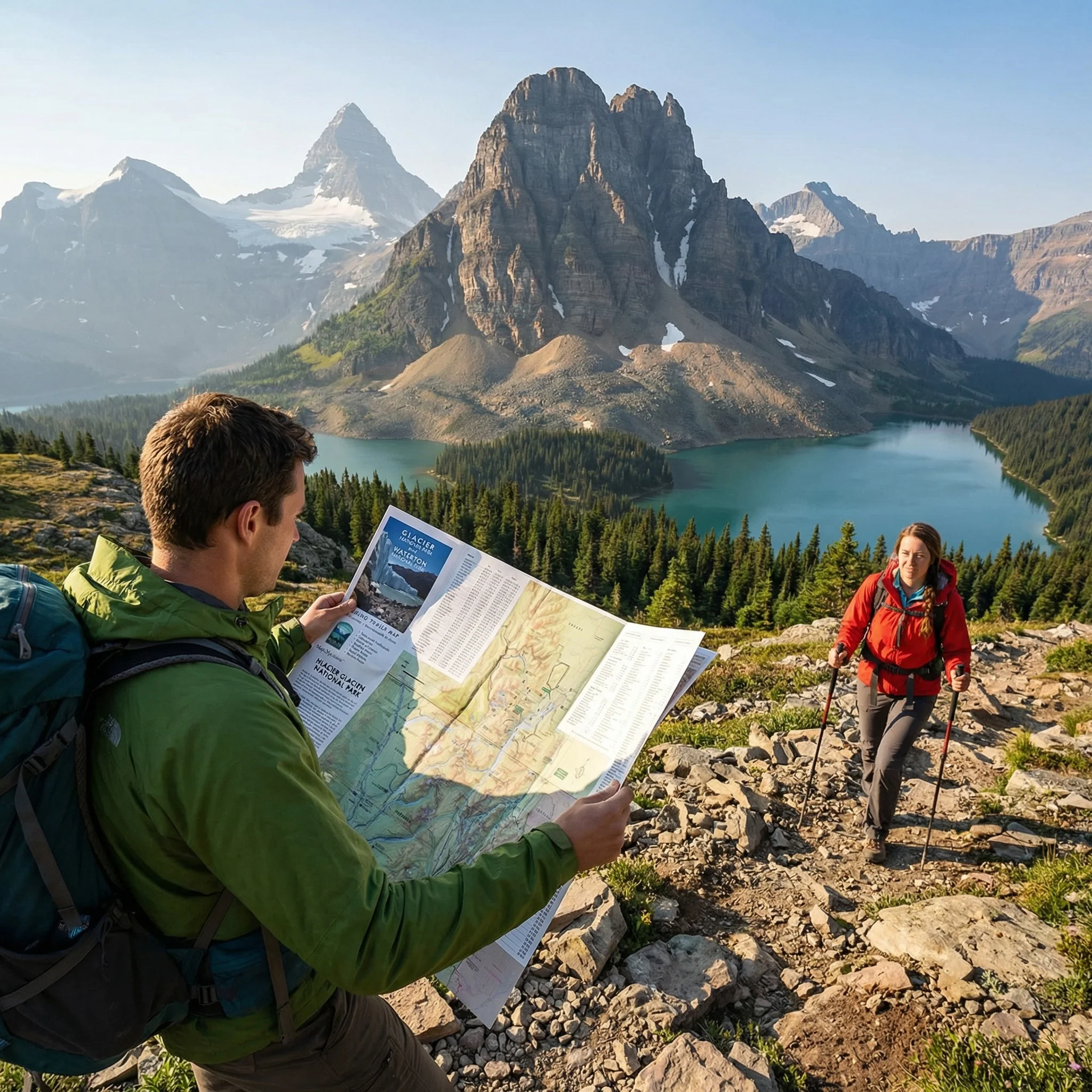
    Phones are handy when you’re out and about, but depending on getting a signal is a bit of a gamble. Lots of places for hiking don’t have a strong signal, your phone might not stay charged for long, or maps on it will be slow to appear. Because of this, people who teach navigation say to have maps you’ve saved to your phone, pictures of the map on your phone, or the route written down as a fallback.

    If you think about the possibility of not being able to communicate during your hike before you go, you’ll be safer. Also, letting someone else know where you’re going is a good idea, particularly if you might not be back when you said you would.

    Myth 4: Only remote trails require emergency thinking

    People often think you’d only have a problem while hiking way out in the wilderness. But in fact, you can easily twist your ankle, get dehydrated, suffer from the heat or get lost on any path. Because of this, people who know about safety commonly suggest bringing a small first aid kit and sufficient food and water for even a fairly easy walk.

    Planning for emergencies doesn’t have to be over the top. It’s mostly about being ready for common issues before they get complicated.

    Myth 5: Wildlife is the main hiking safety concern on every trail

    Knowing about animals in the wild is important, however it’s much more usual for problems on trails to be caused by things like being out in the weather, slippery or unsteady ground, going the wrong way, or simply doing too much. People hiking will frequently think a lot about possibly seeing a strange animal and not notice the much more normal things that can mess with how comfortable or sensible you are.

    Experts on wildlife say to be mindful of animals and stay away from them, but they also point out to give as much thought to your water supply, clothing you can add or take off, how the trail is to walk on, and when you’re planning to be at certain points on the trail.
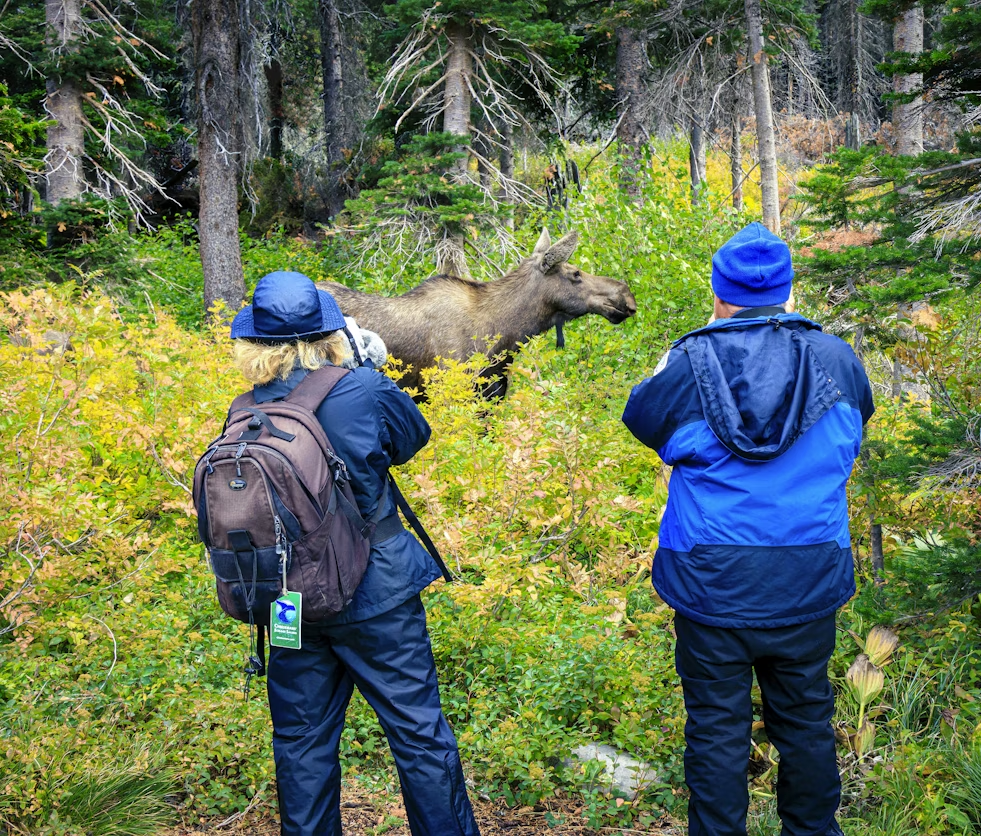
    hiking safety includes route awareness weather checks and wildlife distance

    Credit: Photographer Name / Platform Name

    Myth 6: Hiking with a group always guarantees trail safety

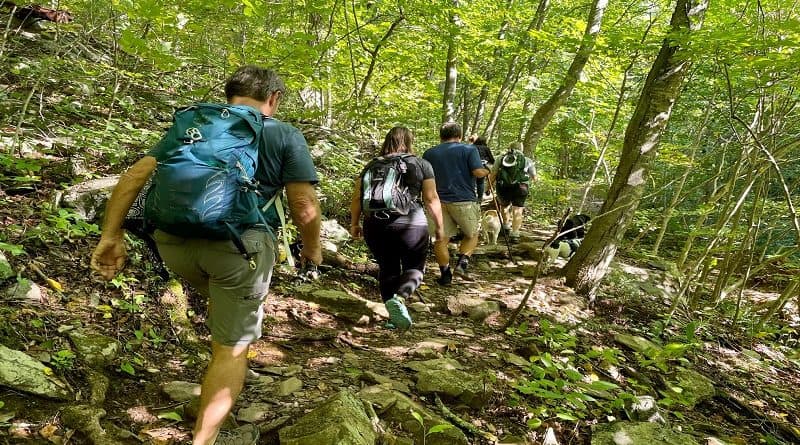
    Being with others is useful, but you still have to make a plan. If people are going at different speeds, aren’t talking to each other, or are at very different stages of being in shape, things will probably get held up or become muddled. Experienced leaders in the outdoors suggest everyone knows how long the walk will be, what time you’ll definitely turn around, and how far apart you should be from each other before you set off.

    And even when you are with a group, staying safe on a hike relies on everyone being aware of what’s going on. If no one’s keeping an eye on the time, how much water everyone is drinking, or where you are on the map, the group could easily get into difficulties that could have been avoided.

    Myth 7: Experience makes hiking safety automatic

    Good hikers have their ways of doing things, yet being sure of yourself can also make you take risks. When you know a trail well, you might not bother to look at the route properly, miss how the weather is actually doing, or not realize how tired you’re becoming. People who work in outdoor activities frequently say you should carefully plan for each hike, as if it’s the first time.

    Staying safe on a hike isn’t about being scared, it’s about doing things the same way each time. You’ll need water, to be aware of the time, know the forecast, have a way to find your location, and pick a trail that’s right for you on every single trip, regardless of how many hikes you’ve completed.

    Frequently Asked Questions

    Q: What is the biggest hiking safety mistake on day hikes?
    A: One of the biggest mistakes is underestimating a familiar or short route. Hikers often skip water, weather checks, or route planning because the trail seems simple.

    Q: Is hiking alone always unsafe?
    A: Solo hiking is not automatically unsafe, but it requires stronger planning and awareness. Route sharing, timing, navigation backup, and honest trail selection become even more important.

    Q: What should hikers do first if they feel lost?
    A: Hikers should stop moving, stay calm, and review their map or route details. Continuing quickly without certainty often makes navigation errors worse.

    Q: Does trail safety mean carrying a large emergency kit?
    A: No. Day hike safety often depends more on route planning, water, weather awareness, and a few useful essentials than on carrying a large amount of gear.

    Key Takeaway

    You’ll be safer on hikes if you don’t just assume things will be okay. Even if a trail is short, the weather is nice, you’re with others, or you’ve hiked before, you still need to plan. Knowing where you’re going, drinking enough water, checking the forecast, and having a way to find your way if your main method fails are all important on nearly all hikes. Most of the time, being safe on trails comes from doing the same sensible things regularly, not from needing to be amazingly rescued at the last minute.


    [INTERNAL LINKING SUGGESTIONS]

    • How to Pack a Simple Day Hike Safety Kit
    • What to Do if Weather Changes Mid-Hike
    • Easy Navigation Habits That Help Prevent Wrong Turns
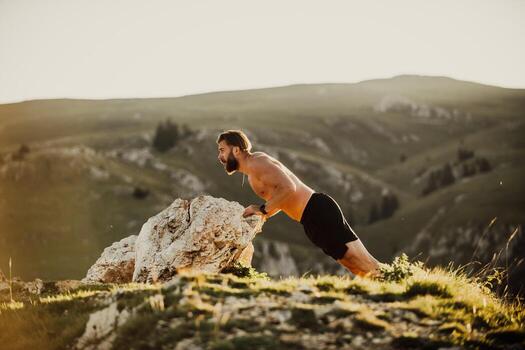
  • Hiking Fitness Habits That Help Build Stamina for Longer Trails

    Hiking Fitness Habits That Help Build Stamina for Longer Trails

    How in shape you are really impacts how easy and stable a trail is to walk. Loads of hikers prioritize equipment and which path to take, but your fitness is what determines how your body manages hills, bumpy paths, and walking a long distance over and over. You don’t need incredibly hard workouts to improve how long you can hike for. More often, it’s down to doing fairly easy things regularly.

    Fitness experts and people who coach outdoors say hiking depends on a combination of stamina, balance, strong legs and being able to bounce back. You might be a regular walker during the day, but still find going up hills or over difficult ground hard. Because of this, getting properly fit for hiking is best achieved by a general all-over improvement in fitness alongside exercises that help you with the movements of actual hiking trails.

    Why hiking fitness starts with steady walking volume

    If you want to get in shape for hiking, walking a lot is a really obvious way to do it. Walking steadily gets you ready for longer hikes because it boosts how long you can go for, makes your joints feel better and helps you regulate your speed. Trainers frequently suggest slowly adding time to your walks; don’t try to do a huge amount at once.

    Walking over different kinds of ground, on small hills or up and down stairs will get your body prepared for a trail much better than just a flat path. These little changes in the land help with your balance and make your legs work in a way that is more similar to actual hiking.

    Hikers will generally do better if their training is something they can do over and over. Most weeks, a few reasonably long walks are more useful than one very hard walk and then lots of resting.

    How leg strength supports hiking stamina on climbs and descents

    How long you can hike is somewhat down to how your legs cope with doing the same thing over and over. Going uphill is hard on your hips, thighs and calves, and going down requires you to have constant control and to be stable. Strength trainers will often suggest squats, step-ups, lunges, and calf raises as good preparation for this.

    You don’t actually need much in the way of weights for these to work. Doing them with your own bodyweight and with proper technique will create strength for trails, and particularly if you do it regularly. You aren’t aiming for much bigger muscles; the aim is to have more support when going up hills and to tire less on the downhill sections.

    hiking fitness workout using stairs and step-ups to improve hiking stamina

    Credit: Photographer Name / Platform Name

    Why balance and core control matter for hiking fitness

    Hiking almost never involves a perfectly flat, straightforward path. You’re constantly needing your balance to deal with rocks, roots, narrow trails, and little shifts in where your feet are landing. Experts in how the body moves say a strong core lets you use power throughout your body and stay steady on ground that isn’t even.

    Exercises on one leg, carefully stepping down, and things to test your balance are all helpful for this aspect of getting in shape for hiking. And having good balance isn’t just about being a better hiker, it’s about being less likely to fall or put your foot awkwardly on a bumpy trail.

    When doing core exercises, prioritize being in control of your movements rather than going quickly. On the trail, stability is far more valuable than lots of fast reps that aren’t done correctly.

    How hiking fitness improves with recovery and mobility

    You’ll only really get the benefit from your training if your body gets a chance to repair itself. Trail runners and hikers will tell you that achy muscles, tight hips and heavy calves can make a trail much more difficult than you think, even as you get in better shape. Your body actually uses things like sleep, gentle exercise and some simple stretches to get stronger from your training.

    How easily you move is also important for being comfortable on trails. Your walking style and how well you climb are affected by your ankles, hips and calves. Doing little mobility exercises after a hike or a workout will help you continue to move smoothly.

    Getting back on your feet after a hike doesn’t have to be complicated. The important thing is to get rid of stiffness and get your body prepared for your next outing.

    What nutrition and hydration contribute to trail endurance

    Getting in shape for hiking isn’t just about the exercise you do. How long you can last on a trail is also connected to having enough energy and fluids. Experts in sports nutrition say that if you don’t eat enough, or don’t get enough to drink, you’ll perform worse, even if your legs don’t ache. Long hikes, hotter temperatures and very inclined paths all mean your body uses up more resources.

    Eating at normal times, easy to manage snacks, and a continuous consumption of liquids will help both your training and the day of the hike. Hikers frequently experience more stable energy levels when they make drinking enough water something they do every day, rather than only starting to drink when they get to the beginning of the trail.

    hiking fitness and hiking recovery supported by hydration and trail snacks

    Credit: Photographer Name / Platform Name

    How hikers can build hiking fitness without overtraining

    You get better at hiking by slowly doing a bit more. If you suddenly walk much further, go up way more hills or do a lot more strength training, you’ll get really sore and then you’ll not be able to keep it up. Experts who know about exercise say to increase your training little by little, and then pay attention to how your body is doing for a few weeks.

    It’s good to only alter one thing at a time during training. For example, a hiker could walk for longer each week, then start to include hills later, and after that use a backpack on one of their walks. This way your training doesn’t change wildly, and is simpler to handle.

    Getting in shape for hiking should help you enjoy being on the trail, not exhaust you. A sensible plan means you have enough energy for actual hikes, and at the same time, slowly become fitter and have more stamina.

    Frequently Asked Questions

    Q: What is the best exercise for hiking fitness?
    A: Walking remains one of the most useful exercises because it closely matches trail movement. Hills, stairs, and leg-strength work can then build on that base.

    Q: How often should hikers train to improve hiking stamina?
    A: Many hikers improve with regular weekly movement rather than extreme sessions. Consistency matters more than doing very hard workouts only once in a while.

    Q: Is running necessary for trail endurance?
    A: No. Running can help some people, but hiking fitness can improve through walking, climbing, strength work, and better recovery habits.

    Q: Why do descents make legs tired even more than climbing sometimes?
    A: Descents place steady control demands on the thighs and supporting muscles. That type of effort can cause fatigue even when heart rate feels lower than it does on climbs.

    Key Takeaway

    To get in shape for hiking, you just need to build up to the kind of thing you’ll actually be doing on the trail. If you walk often, work on how strong your legs are, practice keeping your balance, improve your flexibility and give yourself time to rest and get back to normal, your hiking stamina will improve steadily. In general, being able to last a long time on a trail is more about doing things regularly, not with a lot of huge effort. People who increase their training slowly tend to be much more at ease, have a more even pace and feel completely ready for longer hikes.


    [INTERNAL LINKING SUGGESTIONS]

    • Simple Stair Workouts That Help Prepare for Steep Trails
    • How to Recover After a Long Day Hike
    • What Hikers Should Eat Before and During a Trail Day
  • 8 Hiking Gear Basics Experts Say Matter Most on Day Hikes

    8 Hiking Gear Basics Experts Say Matter Most on Day Hikes

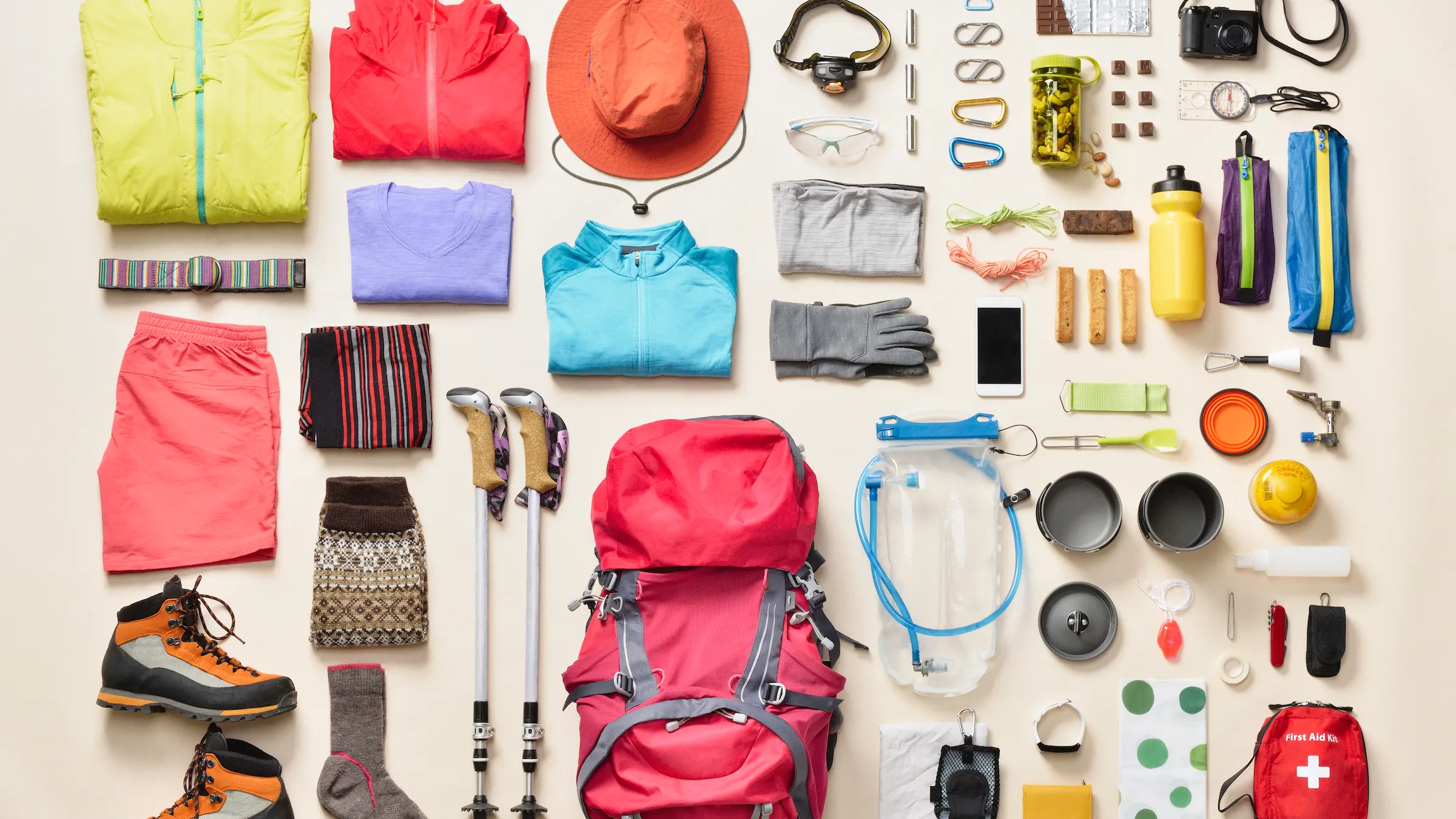
    You don’t have to overthink essential hiking equipment, but it really should be sensible. Having the proper things with you will make you more comfortable, stop little annoyances on the trail, and allow you to cope when the weather or the ground underfoot change. Loads of people on day hikes either bring way too much, or don’t have enough of the stuff they genuinely need.

    Experienced outdoor leaders will tell you that the best kit for a day on the hills helps you to move, doesn’t get in the way of it. And, as search and rescue experts have observed, a lot of problems on trails are caused by basic gear faults: things like bad shoes, too little to drink, or being dressed inappropriately for the weather. Thinking about what something does, how well it fits and being prepared, are generally much more important than following fashions or worrying about how you look.

    1. Supportive footwear belongs at the center of hiking gear basics

    What you wear on your feet is usually the first thing you decide about equipment for a hike, and it pretty much determines everything else. Shoes or boots that grip well, support your feet, and don’t let your foot slip around inside will let you walk much more safely on earth, stone, roots, or crumbly surfaces. If they don’t fit properly, you’re likely to get blisters, sore feet and you’ll be more prone to falling.

    Experienced hiking leaders are always saying the ideal shoe is the one suited to where you’re going. You won’t need heavy hiking boots for a short walk on a dry trail, but more difficult ground really needs more support and something to really hold on with.

    2. A comfortable hiking backpack makes gear easier to carry

    When you’re going for a day hike, your backpack should be steady and not weigh you down. Experienced outdoor instructors generally say to get a bag big enough for water, something to eat, an extra layer of clothing and essential safety equipment, but not one that will make you fill it with loads of unnecessary stuff. How the shoulder straps and the back of the pack fit you are important, as even a not-too-heavy load will tire you quickly if it’s always moving around.

    Pockets inside or on the outside help you keep your belongings organized on the trail. Being able to easily get at water, suncream, or a map means hikers don’t have to stop so much to rummage through their bag.

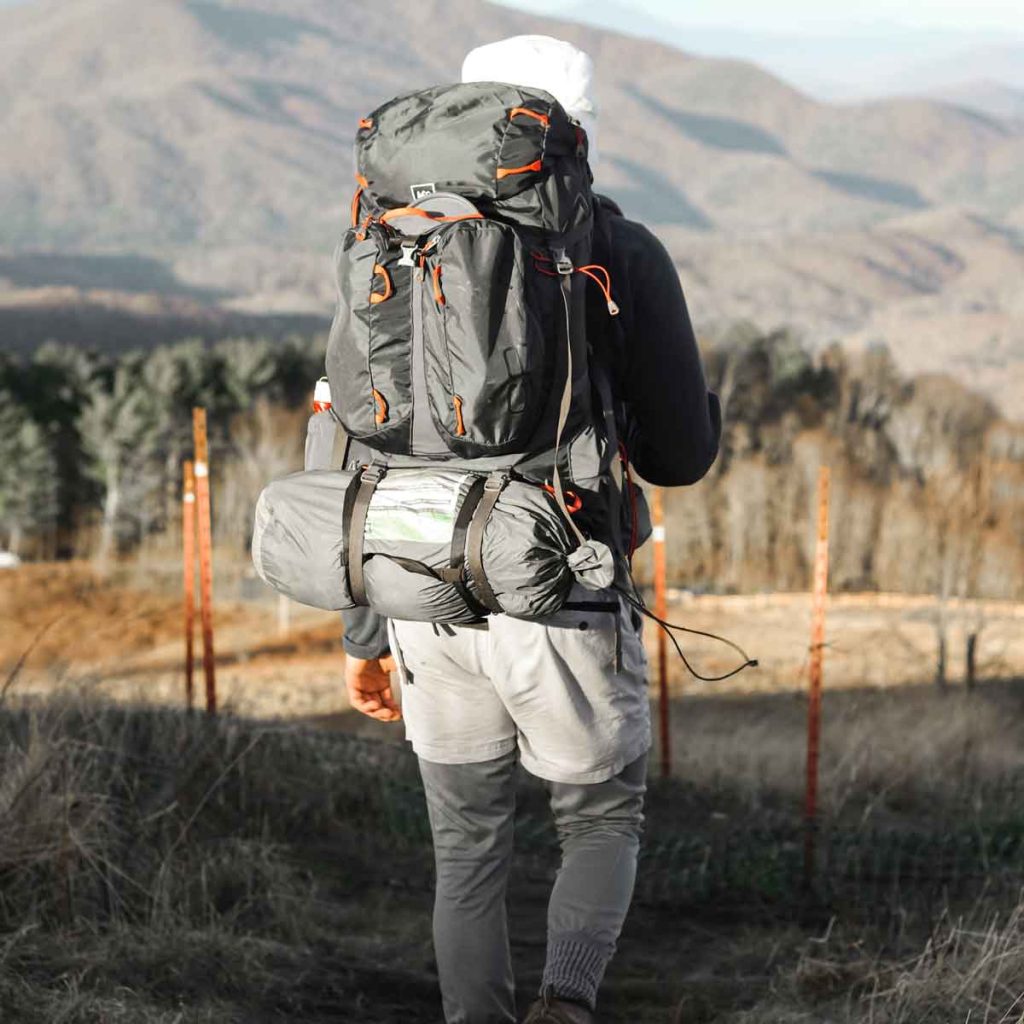
    hiking gear basics include a well-fitted hiking backpack for day hike comfort

    Credit: Photographer Name / Platform Name

    3. Trail clothing should manage comfort in changing weather

    When you’re out on a trail, it’s best to dress in layers. A base layer that wicks away sweat, a lightweight insulating layer, and something to protect you from the weather will let you get comfortable as conditions shift without needing to pack lots of extra clothes. Experts who work outdoors will tell you to avoid just one thick layer, since your body temperature can go up and down rapidly when you go uphill, downhill or into the wind.

    And the kind of material you choose is important as well. Fabrics that dry quickly and manage perspiration are generally more comfortable than those which remain wet for a long time.

    4. Water storage is one of the most important hiking gear basics

    How you get your water – whether with a hydration pack, a bottle, or a flask – isn’t important as long as it’s something you can easily take with you and use. Hiking instructors will tell you, and rightly so, to carry plenty of water for the entire hike, considering the weather (how hot it is, how much sun exposure you’ll get), and how challenging the path is. If you don’t drink enough, you’ll feel terrible and your decisions while you’re hiking will suffer.

    The type of container you pick isn’t what matters, it’s being able to dependably get enough water during all of your time outdoors.

    5. Sun and weather protection should not be treated as optional

    A hat, sunglasses, sunscreen, and a very light waterproof jacket can really help you out on a day of hiking. Sun, wind, and even a bit of light rain affect you gradually, and lots of hikers don’t realize they’re being bothered by them until they’re already feeling miserable. People who are in the business of outdoor fun generally recommend you bring things for whatever the weather might do, not just what it’s doing when you start.

    Without protection from the weather, even fairly quick hikes can be a lot less fun. And these little things don’t weigh much, but they will stop typical issues from ruining your trip.

    hiking gear basics include trail clothing layers and weather protection for day hikes

    Credit: Photographer Name / Platform Name

    6. Navigation tools deserve space in every day hike gear setup

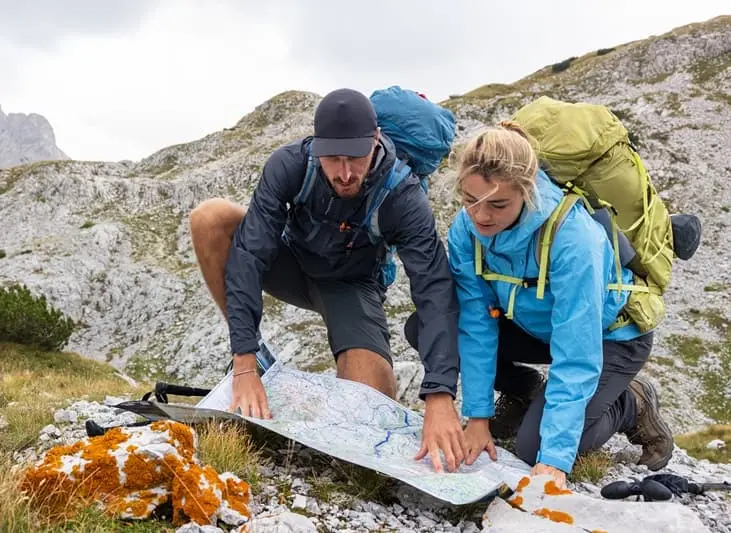
    For lots of shorter hikes, your phone with a map on it will probably be all you need. However, you should still be prepared for your phone to lose signal or run out of power. People who teach you to find your way around usually say to have more than one way to check where you are. For example, you could use an app with a picture of the map, a map on paper or the directions to the route actually written down.

    And good navigation isn’t just about when you’re way out in the wilderness. Even on very popular trails, you can get to places where paths split and are confusing, or trails look remarkably alike.

    7. Snacks and small first-aid items support energy and recovery

    For a boost of lasting energy, easy to eat foods like fruit, trail mix and an energy bar are great. Hikers, particularly on all day trips or paths with lots of up and down, are often much more comfortable if they have little snacks.

    A small first aid kit is another essential for hiking. It doesn’t have to be big, but bandages, something for blisters and a few other simple items could really come in handy.

    8. Hiking gear basics work best when every item has a purpose

    When you’re choosing what to take with you, a really obvious thing about good hiking equipment is why you’re bringing it. Everything you pack ought to help you be comfortable, safe, drink enough, be shielded from the weather, or know where you are on the trail. Things are far more valuable on the trail when they address an actual problem, not just occupy room in your backpack.

    Lots of outdoor courses will have hikers go over their gear after each hike. What you didn’t use, what you wished you’d had, and anything that was irritating to use, all give you clues for making smarter choices on your next trip. Doing this sort of check-up is how to make sure your day hiking equipment remains sensible as time goes on.

    Frequently Asked Questions

    Q: What are the most important hiking gear basics for beginners?
    A: Supportive footwear, enough water, a small hiking backpack, weather-ready layers, and a way to navigate are usually the most important. These cover comfort, safety, and basic trail needs.

    Q: How big should a hiking backpack be for a day hike?
    A: A day hike pack should hold water, food, layers, and a few essential items without being oversized. The exact size depends on weather, trail length, and personal needs.

    Q: Are cotton clothes good for hiking?
    A: Cotton can feel comfortable at first, but it often holds moisture longer than performance fabrics. That can become uncomfortable on sweaty climbs or in cooler conditions.

    Q: Do all hikers need trekking poles?
    A: Not all hikers need them. Trekking poles can help with balance and reduce strain on some trails, but they are optional for many day hikes.

    Key Takeaway

    When you’re out on a trail, the most important thing about your equipment is that it handles typical problems easily. Good hiking boots, clothing you can adapt to changing weather, plenty to drink, something to make sure you don’t get lost (as a backup to your main method) and a backpack that feels good will really set you up for a day hike. Typically, the ideal collection of things to take is what you need for the path, but without being heavier than it has to be. And, going over what you used after each walk in the hills will help you make even smarter decisions about what to bring next time.


    [INTERNAL LINKING SUGGESTIONS]

    • How to Build a Lightweight Day Hike Packing List
    • What to Wear on a Hike in Cool and Windy Weather
    • Simple Footwear Tips for Rocky and Muddy Trails
  • Trail Planning Steps That Help Hikers Avoid Common Route Mistakes

    Trail Planning Steps That Help Hikers Avoid Common Route Mistakes

    Planning your hike is incredibly important for having a fun and safe time. Lots of issues on hikes happen before you even set foot on the path, frequently because people haven’t carefully looked at how far it is, how much the height changes, what the weather will be, or what the trail is like. A route that’s been properly planned means the trail you choose for the day will be suitable for how much time you have, how good at hiking you are, and how much energy you’ve got.

    Those who teach people about being found when lost in the mountains will tell you that not planning enough is a big reason for problems that could have been prevented. Those in charge of the land and people who teach outdoor skills both say that the specifics of the route are more important than a lot of hikers realize. Five miles of trail that goes steeply uphill, crosses streams, or is over lots of rocks will be a lot harder than a longer trail that is more level.

    Why trail planning starts with honest route selection

    When you’re planning a hike, it’s best to be realistic about what you can do. Hikers frequently think about how nice the scenery will be, how many people go on the trail, or what it looks like in pictures on social media, but those things don’t tell you how hard it will actually be. Looking at the distance, how much the trail goes up in height, what the ground is like to walk on, and how much of the trail is out in the sun, wind or open to the weather is a much better place to start.

    People who work in outdoor activities generally advise you to choose a trail that’s easily within your ability. So select a hike that you are confident you can do, even if you have to go slower than planned, the weather is different than you expected, or you need to stop and rest more than originally thought. Trails at the very top of what you’re capable of don’t give you much leeway for mistakes.

    Knowing if a trail goes out and back (so you retrace your steps), makes a loop (and returns to the start), or is from one point to another is useful, too.

    How to read distance and elevation gain before a hike

    How far you walk isn’t the whole picture; in fact, how much the trail goes up is quite often what makes it feel difficult. Even a fairly brief trail that climbs steeply can use up more of your leg power and need more recovery time than a much longer, level walk. So when figuring out a hike, it’s best to look at the distance and how much climbing there is.

    Trail creators and trainers who work with stamina frequently say what the ground is like is important too. Things like mud, loose rocks, sand, roots, and lots of little ups and downs will probably slow you down more than you think. A trail that looks reasonably easy on a map can be exhausting to actually walk because you’re always adjusting your steps.

    A good thing to do when planning is to allow for a lot of time. If you build in extra for rests, for stopping for photos, and for going more slowly on the hills, you’ll be less likely to have to hurry back when it gets dark.

    trail planning with contour lines and elevation gain information for a hiking route

    Credit: Photographer Name / Platform Name

    What trail planning should include about weather and timing

    When you plan a hike, don’t just glance at the temperature. You need to look at the weather thoroughly. Wind, rain, heat and rapidly shifting conditions in mountains or wide open spaces all have an effect on how fast you travel and whether you’ll be safe. Professionals who deal with outdoor safety suggest looking at the forecast for each hour, and considering how the trail will be at different points during the day.

    What time you begin is important, too, as many trails get more difficult as the day goes on. Exposed paths get hotter, shaded areas become surprisingly cold and some areas are prone to afternoon thunderstorms. If you start earlier, you have more leeway and won’t feel so rushed.

    And be sure to consider the amount of daylight. Even a trail you know well can be disorienting in fading light, particularly where trails split. Deciding in advance what time to turn around will stop small holds-ups from snowballing into serious issues.

    How trail conditions and access details shape a hiking route

    Trails can go from good to bad in a hurry, with rain, melting snow, fallen trees or planned work to the trail all being causes. Hikers usually think carefully about how far they’ll go and the forecast, but they don’t always confirm the trail is actually open and in condition for use. You can find out what’s currently getting in the way of your hike by looking at park information, speaking to rangers, or checking official trail warnings before you go.

    How you get to the start of your hike is also more important than a lot of people realize. Parking availability, if you need a permit, seasonal road closures, or bus times can all affect your day. Good trail planning should include how long it will take to get to the trailhead, not only the hiking portion.

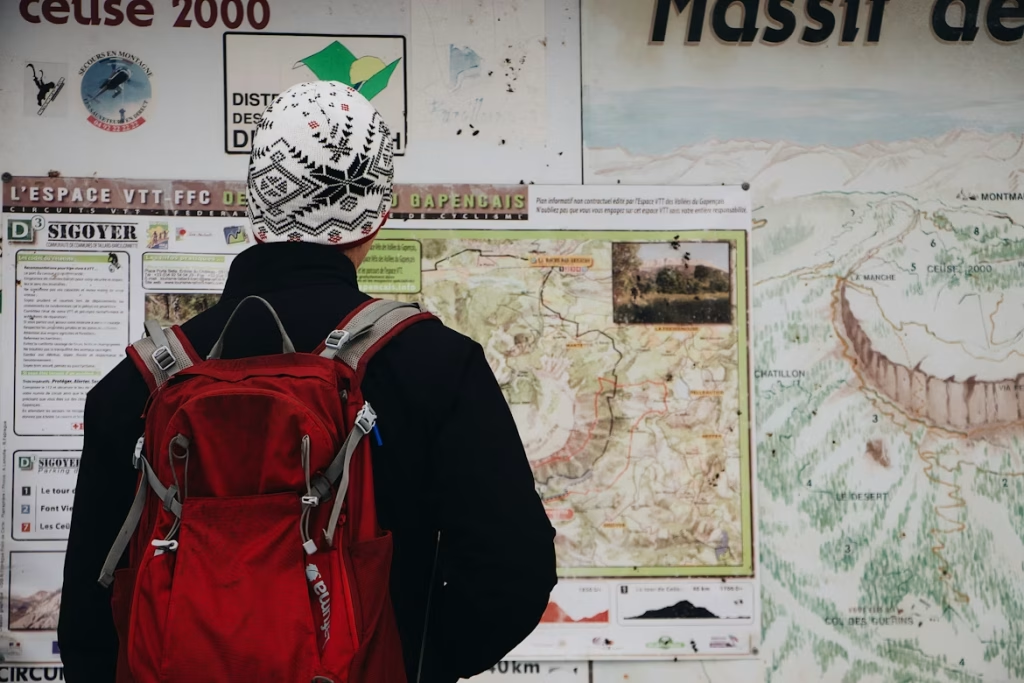
    Experts in getting around in the outdoors suggest getting the route onto your device beforehand.

    trail planning includes checking trail conditions and access notices before a hike

    Credit: Photographer Name / Platform Name

    Trail planning habits that reduce stress on the day of the hike

    The night before a hike is often when you can do your best planning. Getting your clothes ready, making sure your water bottles are full, looking at what snacks you’re taking, and looking over the details of the trail can all stop you from having to make quick choices in the morning. Hikers who get prepared in advance are far less likely to leave behind important things like sunscreen, a fully-charged phone, or an extra piece of clothing.

    Experienced outdoor instructors often say to tell someone which route you’re hiking, particularly if you’re going by yourself. Just a quick message with the trail’s name, when you plan to start, and roughly when you think you’ll be back can be a really helpful safety net if your plans suddenly alter.

    Trail planning isn’t about making hiking feel like a lot of official work. It’s about eliminating problems that could easily be avoided.

    Frequently Asked Questions

    Q: Why is trail planning important for short hikes?
    A: Even short hikes can include steep sections, confusing turns, or changing weather. Trail planning helps hikers understand what the route actually demands before they arrive.

    Q: What is more important, distance or elevation gain?
    A: Both matter, but elevation gain often changes difficulty more than distance alone. A shorter trail with steep climbing can feel harder than a longer flat hiking route.

    Q: How early should hikers check trail conditions?
    A: Trail conditions should be checked before leaving home and again close to departure if possible. Closures, mud, storms, and access issues can change quickly.

    Q: Should hikers rely only on phone maps?
    A: No. Downloaded maps, screenshots, or printed route notes are useful backups because phone signal may be limited on many trails.

    Key Takeaway

    When you plan a hiking trail, you get a much better idea of what it will be like. How a hike actually feels depends on things like how far you’re going, how much the path goes uphill, what the weather is doing, how you get to the start and what the trail itself is like. Planning well means you’ll have less unnecessary worry and be safer. Plus, you’ll have an easier time picking a trail that’s good for that particular day, and won’t be trying to decide while you’re already out on it.


    [INTERNAL LINKING SUGGESTIONS]

    • How to Understand Elevation Gain Before Choosing a Trail
    • What Hikers Should Check Before Leaving for the Trailhead
    • Simple Offline Navigation Tips for Day Hikes
  • Beginner Hiking Tips Experts Recommend for a Safer First Trail

    Beginner Hiking Tips Experts Recommend for a Safer First Trail

    How your first hike goes can really be impacted by a few basic tips, turning what could be a worrying time into a good one. People new to hiking are often eager to get going, but don’t have much experience with trails and this can mean they pick a bad path, feel miserable or get into problems they could have prevented. A good first time out is generally the result of being prepared in a straightforward way, not expecting too much, and selecting a trail suited to how in shape and how skilled you are.

    Those who teach outdoor skills suggest newer hikers should prioritize being comfortable, being sure of the time, and paying attention to the trail itself, instead of just how long the hike is. Experts in recreation also say that doing well early on helps you believe in yourself for the long haul. So the best hike to begin with isn’t usually the prettiest or the hardest, but the one you can easily do all the way through.

    How beginner hiking tips help with trail choice

    When you’re beginning to hike, a good tip is to pick a short trail that’s easy to follow. You don’t need a hike with really steep hills, difficult ground, or one that will take the entire day. In fact, many people who know trails well recommend a route of only two or three hours, with obvious directions and close to a place to park or a place you know at a recreation area.

    A simple trail for a first hike also lets you get used to how fast or slow to go. The first part of a walk might be easy, but you’ll probably get tired later on. A fairly easy route won’t put you under a lot of stress and will help you understand how your body feels as you go up hills, over bumpy ground, and as the weather changes.

    Rangers and those in charge of trails will usually tell you to look at the length of a trail, how much it goes up in height, the type of ground, and how it’s been recently before you go. Being prepared like this will stop you from choosing a trail that appears easy on a map, but is a lot more difficult when you are on it.

    Credit: Photographer Name / Platform Name

    What to pack for a first hike without overpacking

    People starting out hiking tend to either not bring enough, or to bring way too much. For a short first hike, what you’ll typically need is water, a snack, clothes you can layer, sunscreen, a fully charged phone, and a little first aid kit. If it’s going to be chilly, a very light extra layer is a good idea for dealing with changes in the temperature.

    Instructors who teach about being safe outside often say that being comfortable is just as important as being prepared for something going wrong. A really heavy backpack can hurt your shoulders and make walking less fun, particularly if you aren’t used to having something heavy on your back. Only taking what you need for the length of the walk and the weather makes it easier to move, and it helps new hikers to concentrate on the path.

    And your shoes are important at this stage too. You don’t necessarily need very sturdy boots for a short walk on a local trail, but you do need shoes that have a good grip, give you support, and fit well. Blisters, pain in the arches of your feet and slipping are typical reasons why someone’s first hike is harder than they thought it would be.

    Why pace matters more than speed on a first hike

    When you’re just starting to hike, one of the most important things to understand is a good speed. Lots of people start out too quickly, and this is particularly true as soon as the trail begins to go uphill. Ideally, you should go at a pace where you can still easily have a conversation without becoming too out of breath. This saves your energy and makes it less likely you’ll get tired too soon.

    Hiking instructors and experts in stamina are often saying that how fast you go on a trail isn’t the same as on a sidewalk. All the stones, roots, and gentle upwards slopes demand you use your balance and leg muscles in different ways. So, don’t think slowing down is a bad thing. It’s actually a key element of being a good hiker.

    Little stops along the way can also make your hike more enjoyable. Instead of pushing on until you’re absolutely exhausted, stop for a moment to have a drink, change your clothes if you need to, and be sure you are going in the right direction.

    beginner hiking tips for pacing and taking short breaks on an easy hiking trail

    Credit: Photographer Name / Platform Name

    Common first hike mistakes experts want beginners to avoid

    Lots of people begin their hike too late in the day. A trail, even a short one, can then feel hurried as dusk arrives or the weather shifts. Starting in the morning or early on will generally give those new to hiking plenty of time, more comfortable temperatures, and a less stressful experience.

    Not paying attention to the weather is another problem. Experts in the outdoors recommend looking at the temperature, and possible rain or wind. What feels comfortable in your town can change rapidly on high open areas or trails with nothing shielding them. And beginners usually have a better hike if they wear a few lighter clothes they can adjust, rather than one big, heavy jacket.

    Many people who are new to hiking also depend completely on their phones. They’re useful to have, but phone service is often spotty in the countryside. A picture of the trail on your phone (saved to your photos), directions on paper, or the route downloaded to your device will stop you from getting lost if your phone loses connection.

    How beginner hiking tips build confidence after the first trail

    What you learn on your very first hike will be useful for your next. Once you’re done with it, you can think about what was good, anything that wasn’t comfortable, and precisely how much food and water you got through. This bit of thinking about the hike makes planning for the future much more accurate, and you won’t just be making things up.

    Those who run outdoor programs usually advise building up how far you go, how high you climb, or how tricky the ground is, in a slow, gradual fashion. A sensible approach to hiking is to only introduce one new difficulty at a time. So, for instance, you might pick a trail a little longer than before, but with similar weather and the same type of path.

    Repeatedly being successful is what builds your assurance. That’s why advice for people starting to hike sounds so straightforward. You aren’t trying to show off on your first trip, the idea is to complete the hike feeling stable, secure, and with the desire to do it all over.

    Frequently Asked Questions

    Q: What is the best distance for a first hike?
    A: For many beginners, a trail of two to five miles works well, depending on elevation and terrain. A shorter route with clear signs is often better than a longer trail that adds stress.

    Q: Do beginners need hiking boots for an easy hiking trail?
    A: Not always. Supportive trail shoes or athletic shoes with good grip can work for easy terrain. The main goal is stable footing and comfort for the full route.

    Q: How much water should beginners bring on a first hike?
    A: That depends on weather, distance, and pace, but beginners should always bring enough water for the full trip and a little extra. Heat, sun, and hills can increase how much water the body needs.

    Q: Are hiking poles necessary for first-time hikers?
    A: Hiking poles are optional for many first hikes. They can help with balance on uneven ground or hills, but they are not required for every beginner trail.

    Key Takeaway

    When you’re just starting to hike, the best advice is to keep things easy and sensible. People new to hiking generally find it easier to manage shorter walks, with gear that’s not too heavy but will be helpful, a pace you can comfortably maintain, and just having a general understanding of the trail. Your first time out isn’t about how far you go or how quickly, it’s about becoming relaxed, being safe and getting the self-assurance to really enjoy the next path you choose.


    [INTERNAL LINKING SUGGESTIONS]

    • How to Choose an Easy Hiking Trail for a Weekend Trip
    • Simple Hiking Etiquette Rules Every Beginner Should Know
    • What to Wear on a Day Hike in Mild Weather