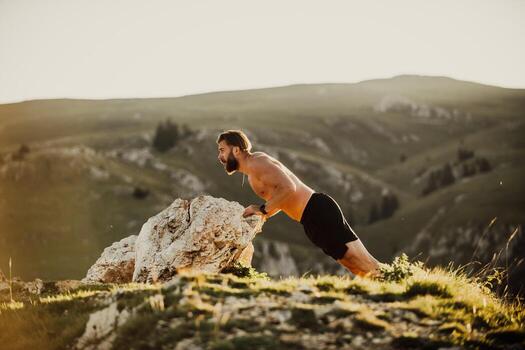
How in shape you are really impacts how easy and stable a trail is to walk. Loads of hikers prioritize equipment and which path to take, but your fitness is what determines how your body manages hills, bumpy paths, and walking a long distance over and over. You don’t need incredibly hard workouts to improve how long you can hike for. More often, it’s down to doing fairly easy things regularly.
Fitness experts and people who coach outdoors say hiking depends on a combination of stamina, balance, strong legs and being able to bounce back. You might be a regular walker during the day, but still find going up hills or over difficult ground hard. Because of this, getting properly fit for hiking is best achieved by a general all-over improvement in fitness alongside exercises that help you with the movements of actual hiking trails.
Why hiking fitness starts with steady walking volume
If you want to get in shape for hiking, walking a lot is a really obvious way to do it. Walking steadily gets you ready for longer hikes because it boosts how long you can go for, makes your joints feel better and helps you regulate your speed. Trainers frequently suggest slowly adding time to your walks; don’t try to do a huge amount at once.
Walking over different kinds of ground, on small hills or up and down stairs will get your body prepared for a trail much better than just a flat path. These little changes in the land help with your balance and make your legs work in a way that is more similar to actual hiking.
Hikers will generally do better if their training is something they can do over and over. Most weeks, a few reasonably long walks are more useful than one very hard walk and then lots of resting.
How leg strength supports hiking stamina on climbs and descents
How long you can hike is somewhat down to how your legs cope with doing the same thing over and over. Going uphill is hard on your hips, thighs and calves, and going down requires you to have constant control and to be stable. Strength trainers will often suggest squats, step-ups, lunges, and calf raises as good preparation for this.
You don’t actually need much in the way of weights for these to work. Doing them with your own bodyweight and with proper technique will create strength for trails, and particularly if you do it regularly. You aren’t aiming for much bigger muscles; the aim is to have more support when going up hills and to tire less on the downhill sections.

Credit: Photographer Name / Platform Name
Why balance and core control matter for hiking fitness
Hiking almost never involves a perfectly flat, straightforward path. You’re constantly needing your balance to deal with rocks, roots, narrow trails, and little shifts in where your feet are landing. Experts in how the body moves say a strong core lets you use power throughout your body and stay steady on ground that isn’t even.
Exercises on one leg, carefully stepping down, and things to test your balance are all helpful for this aspect of getting in shape for hiking. And having good balance isn’t just about being a better hiker, it’s about being less likely to fall or put your foot awkwardly on a bumpy trail.
When doing core exercises, prioritize being in control of your movements rather than going quickly. On the trail, stability is far more valuable than lots of fast reps that aren’t done correctly.
How hiking fitness improves with recovery and mobility
You’ll only really get the benefit from your training if your body gets a chance to repair itself. Trail runners and hikers will tell you that achy muscles, tight hips and heavy calves can make a trail much more difficult than you think, even as you get in better shape. Your body actually uses things like sleep, gentle exercise and some simple stretches to get stronger from your training.
How easily you move is also important for being comfortable on trails. Your walking style and how well you climb are affected by your ankles, hips and calves. Doing little mobility exercises after a hike or a workout will help you continue to move smoothly.
Getting back on your feet after a hike doesn’t have to be complicated. The important thing is to get rid of stiffness and get your body prepared for your next outing.
What nutrition and hydration contribute to trail endurance
Getting in shape for hiking isn’t just about the exercise you do. How long you can last on a trail is also connected to having enough energy and fluids. Experts in sports nutrition say that if you don’t eat enough, or don’t get enough to drink, you’ll perform worse, even if your legs don’t ache. Long hikes, hotter temperatures and very inclined paths all mean your body uses up more resources.
Eating at normal times, easy to manage snacks, and a continuous consumption of liquids will help both your training and the day of the hike. Hikers frequently experience more stable energy levels when they make drinking enough water something they do every day, rather than only starting to drink when they get to the beginning of the trail.

Credit: Photographer Name / Platform Name
How hikers can build hiking fitness without overtraining
You get better at hiking by slowly doing a bit more. If you suddenly walk much further, go up way more hills or do a lot more strength training, you’ll get really sore and then you’ll not be able to keep it up. Experts who know about exercise say to increase your training little by little, and then pay attention to how your body is doing for a few weeks.
It’s good to only alter one thing at a time during training. For example, a hiker could walk for longer each week, then start to include hills later, and after that use a backpack on one of their walks. This way your training doesn’t change wildly, and is simpler to handle.
Getting in shape for hiking should help you enjoy being on the trail, not exhaust you. A sensible plan means you have enough energy for actual hikes, and at the same time, slowly become fitter and have more stamina.
Frequently Asked Questions
Q: What is the best exercise for hiking fitness?
A: Walking remains one of the most useful exercises because it closely matches trail movement. Hills, stairs, and leg-strength work can then build on that base.
Q: How often should hikers train to improve hiking stamina?
A: Many hikers improve with regular weekly movement rather than extreme sessions. Consistency matters more than doing very hard workouts only once in a while.
Q: Is running necessary for trail endurance?
A: No. Running can help some people, but hiking fitness can improve through walking, climbing, strength work, and better recovery habits.
Q: Why do descents make legs tired even more than climbing sometimes?
A: Descents place steady control demands on the thighs and supporting muscles. That type of effort can cause fatigue even when heart rate feels lower than it does on climbs.
Key Takeaway
To get in shape for hiking, you just need to build up to the kind of thing you’ll actually be doing on the trail. If you walk often, work on how strong your legs are, practice keeping your balance, improve your flexibility and give yourself time to rest and get back to normal, your hiking stamina will improve steadily. In general, being able to last a long time on a trail is more about doing things regularly, not with a lot of huge effort. People who increase their training slowly tend to be much more at ease, have a more even pace and feel completely ready for longer hikes.
[INTERNAL LINKING SUGGESTIONS]
- Simple Stair Workouts That Help Prepare for Steep Trails
- How to Recover After a Long Day Hike
- What Hikers Should Eat Before and During a Trail Day
Leave a Reply