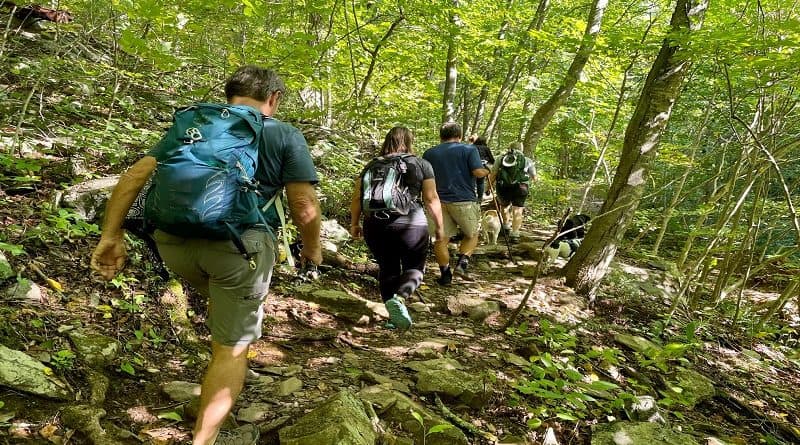
How your first hike goes can really be impacted by a few basic tips, turning what could be a worrying time into a good one. People new to hiking are often eager to get going, but don’t have much experience with trails and this can mean they pick a bad path, feel miserable or get into problems they could have prevented. A good first time out is generally the result of being prepared in a straightforward way, not expecting too much, and selecting a trail suited to how in shape and how skilled you are.
Those who teach outdoor skills suggest newer hikers should prioritize being comfortable, being sure of the time, and paying attention to the trail itself, instead of just how long the hike is. Experts in recreation also say that doing well early on helps you believe in yourself for the long haul. So the best hike to begin with isn’t usually the prettiest or the hardest, but the one you can easily do all the way through.
How beginner hiking tips help with trail choice
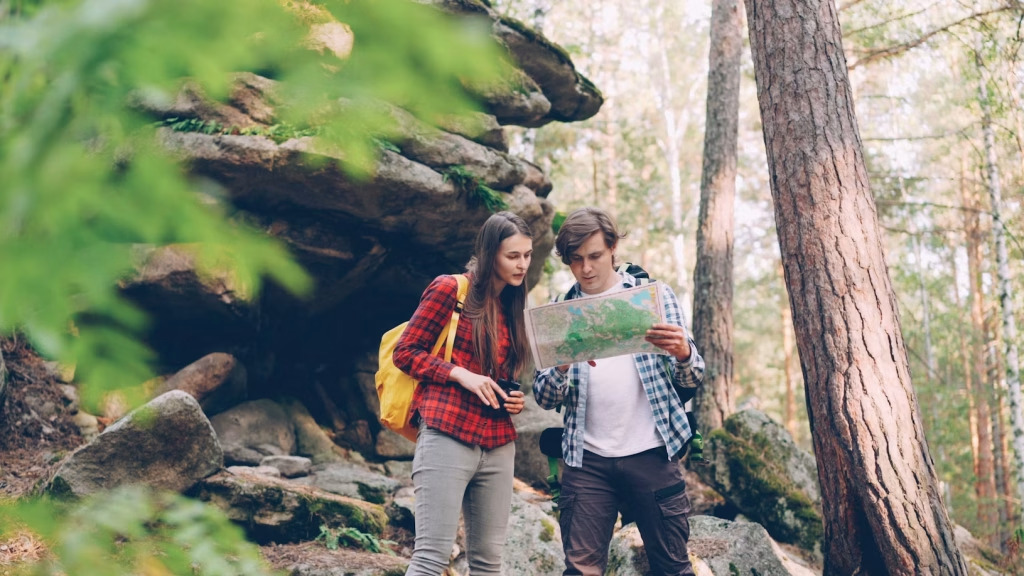
When you’re beginning to hike, a good tip is to pick a short trail that’s easy to follow. You don’t need a hike with really steep hills, difficult ground, or one that will take the entire day. In fact, many people who know trails well recommend a route of only two or three hours, with obvious directions and close to a place to park or a place you know at a recreation area.
A simple trail for a first hike also lets you get used to how fast or slow to go. The first part of a walk might be easy, but you’ll probably get tired later on. A fairly easy route won’t put you under a lot of stress and will help you understand how your body feels as you go up hills, over bumpy ground, and as the weather changes.
Rangers and those in charge of trails will usually tell you to look at the length of a trail, how much it goes up in height, the type of ground, and how it’s been recently before you go. Being prepared like this will stop you from choosing a trail that appears easy on a map, but is a lot more difficult when you are on it.
Credit: Photographer Name / Platform Name
What to pack for a first hike without overpacking
People starting out hiking tend to either not bring enough, or to bring way too much. For a short first hike, what you’ll typically need is water, a snack, clothes you can layer, sunscreen, a fully charged phone, and a little first aid kit. If it’s going to be chilly, a very light extra layer is a good idea for dealing with changes in the temperature.
Instructors who teach about being safe outside often say that being comfortable is just as important as being prepared for something going wrong. A really heavy backpack can hurt your shoulders and make walking less fun, particularly if you aren’t used to having something heavy on your back. Only taking what you need for the length of the walk and the weather makes it easier to move, and it helps new hikers to concentrate on the path.
And your shoes are important at this stage too. You don’t necessarily need very sturdy boots for a short walk on a local trail, but you do need shoes that have a good grip, give you support, and fit well. Blisters, pain in the arches of your feet and slipping are typical reasons why someone’s first hike is harder than they thought it would be.
Why pace matters more than speed on a first hike
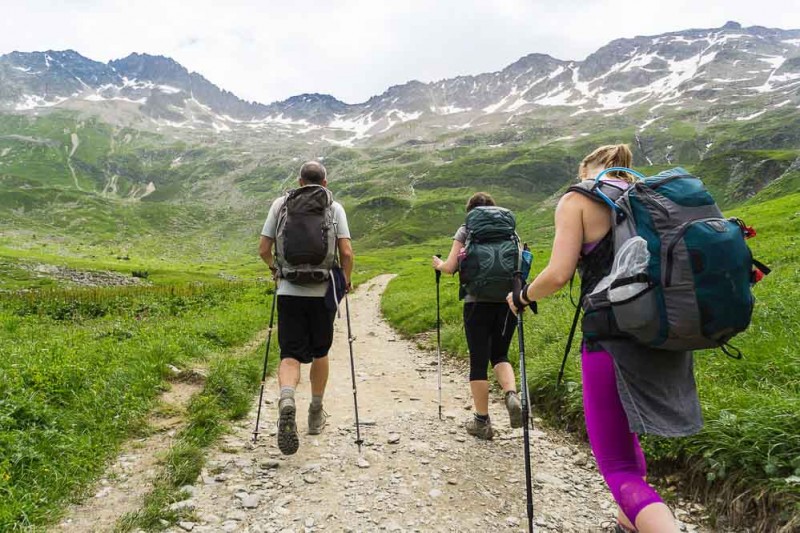
When you’re just starting to hike, one of the most important things to understand is a good speed. Lots of people start out too quickly, and this is particularly true as soon as the trail begins to go uphill. Ideally, you should go at a pace where you can still easily have a conversation without becoming too out of breath. This saves your energy and makes it less likely you’ll get tired too soon.
Hiking instructors and experts in stamina are often saying that how fast you go on a trail isn’t the same as on a sidewalk. All the stones, roots, and gentle upwards slopes demand you use your balance and leg muscles in different ways. So, don’t think slowing down is a bad thing. It’s actually a key element of being a good hiker.
Little stops along the way can also make your hike more enjoyable. Instead of pushing on until you’re absolutely exhausted, stop for a moment to have a drink, change your clothes if you need to, and be sure you are going in the right direction.
Credit: Photographer Name / Platform Name
Common first hike mistakes experts want beginners to avoid
Lots of people begin their hike too late in the day. A trail, even a short one, can then feel hurried as dusk arrives or the weather shifts. Starting in the morning or early on will generally give those new to hiking plenty of time, more comfortable temperatures, and a less stressful experience.
Not paying attention to the weather is another problem. Experts in the outdoors recommend looking at the temperature, and possible rain or wind. What feels comfortable in your town can change rapidly on high open areas or trails with nothing shielding them. And beginners usually have a better hike if they wear a few lighter clothes they can adjust, rather than one big, heavy jacket.
Many people who are new to hiking also depend completely on their phones. They’re useful to have, but phone service is often spotty in the countryside. A picture of the trail on your phone (saved to your photos), directions on paper, or the route downloaded to your device will stop you from getting lost if your phone loses connection.
How beginner hiking tips build confidence after the first trail
What you learn on your very first hike will be useful for your next. Once you’re done with it, you can think about what was good, anything that wasn’t comfortable, and precisely how much food and water you got through. This bit of thinking about the hike makes planning for the future much more accurate, and you won’t just be making things up.
Those who run outdoor programs usually advise building up how far you go, how high you climb, or how tricky the ground is, in a slow, gradual fashion. A sensible approach to hiking is to only introduce one new difficulty at a time. So, for instance, you might pick a trail a little longer than before, but with similar weather and the same type of path.
Repeatedly being successful is what builds your assurance. That’s why advice for people starting to hike sounds so straightforward. You aren’t trying to show off on your first trip, the idea is to complete the hike feeling stable, secure, and with the desire to do it all over.
Frequently Asked Questions
Q: What is the best distance for a first hike?
A: For many beginners, a trail of two to five miles works well, depending on elevation and terrain. A shorter route with clear signs is often better than a longer trail that adds stress.
Q: Do beginners need hiking boots for an easy hiking trail?
A: Not always. Supportive trail shoes or athletic shoes with good grip can work for easy terrain. The main goal is stable footing and comfort for the full route.
Q: How much water should beginners bring on a first hike?
A: That depends on weather, distance, and pace, but beginners should always bring enough water for the full trip and a little extra. Heat, sun, and hills can increase how much water the body needs.
Q: Are hiking poles necessary for first-time hikers?
A: Hiking poles are optional for many first hikes. They can help with balance on uneven ground or hills, but they are not required for every beginner trail.
Key Takeaway
When you’re just starting to hike, the best advice is to keep things easy and sensible. People new to hiking generally find it easier to manage shorter walks, with gear that’s not too heavy but will be helpful, a pace you can comfortably maintain, and just having a general understanding of the trail. Your first time out isn’t about how far you go or how quickly, it’s about becoming relaxed, being safe and getting the self-assurance to really enjoy the next path you choose.
[INTERNAL LINKING SUGGESTIONS]
- How to Choose an Easy Hiking Trail for a Weekend Trip
- Simple Hiking Etiquette Rules Every Beginner Should Know
- What to Wear on a Day Hike in Mild Weather
Leave a Reply